
Policy Corner California Defends What's Ours
Bryan Pride • January 20, 2026

Last year tested us. We watched as the administration attempted to auction off millions of acres of public lands, an unprecedented attack on places we’ve fought to protect for decades. We saw rollbacks of critical environmental protections and threats to lands that belong to all of us. 


But we also showed up. Together, as a community, we rallied, we organized, and we pushed back against some of the most aggressive land sell-offs ever proposed. And we won some of those fights. 


In December, just before Congress recessed, Senator Padilla introduced the
Protecting Unique and Beautiful Landscapes by Investing in California (PUBLIC) Lands Act, a beacon of what’s possible when we refuse to give up. This isn’t just another bill. It’s a statement that California is refusing to let our public lands become bargaining chips. 


The
PUBLIC Lands Act would protect over 1.7 million acres of California public lands throughout northwest California, the Central Coast and Los Angeles County. That protection includes 550,000 acres of new wilderness and nearly 700 miles of wild and scenic rivers. It includes provisions for forest restoration and fire resilience on another 871,000 acres, work that is desperately needed.


This package pulls together three essential bills: 


Congressman Huffman's
Northwest California Wilderness, Recreation and Working Forest Act, which protects 484,733 acres and 479.8 miles of rivers, old-growth forest, salmon streams and wild places that define the North Coast. 


Representative Carbajal’s Central Coast Heritage Protection Act
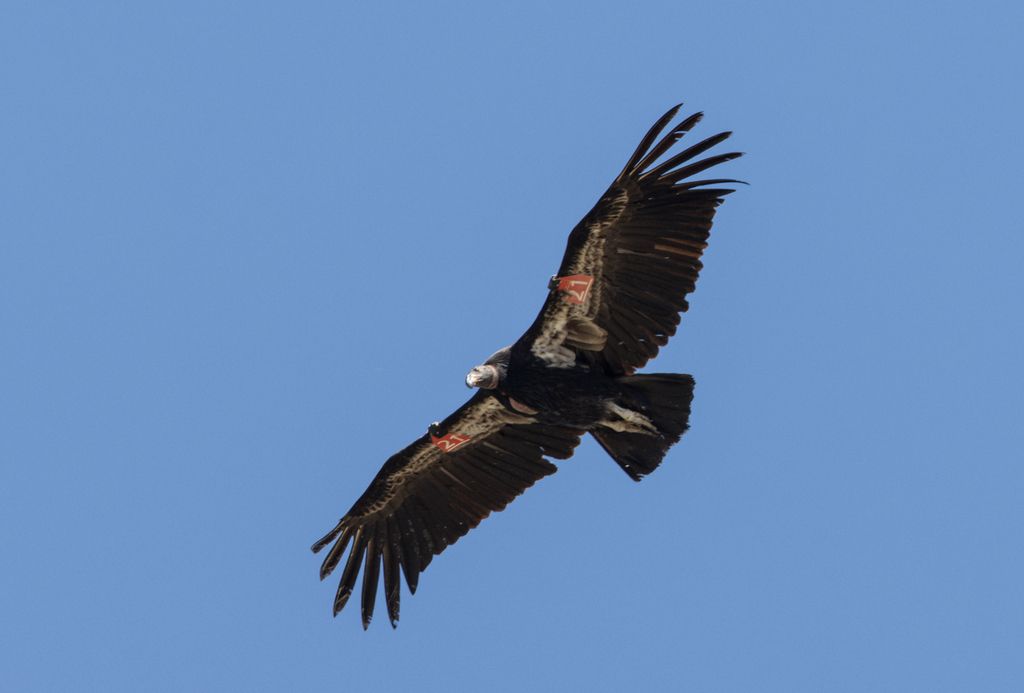
secures 385,842 acres including critical habitat in Los Padres National Forest, home to California Condors and threatened watersheds. 


Representative Judy Chu’s San Gabriel Mountains Foothills and Rivers Protection Act
that protects 35,335 acres, expanding access to nature for millions of Angelenos who live in communities with some of the lowest park access in the country despite having mountains right in their backyard. 


The PUBLIC Lands Act matters because it’s happening now when our public lands face their greatest threats. Our champions in Congress aren’t waiting for a better political moment, they’re fighting for these places when the fight matters most. 


We will be tracking this bill closely and keeping you updated as it moves through Congress. In the meantime, call your representatives and thank
Senator Padilla, Representative Huffman, Representative Carabajal and Representative Chu for introducing this legislation. Let them know you support it. Our voices help move good legislation through Congress, especially when the opposition is loud. 


 If 2025 taught us anything, it's that defending our public lands isn’t a one-time battle. It’s the work we do together, every single day. 


Bryan Pride

Tuleyome Policy Director

RECENT ARTICLES
By Kristie Ehrhardt August 26, 2026
The 19th Amendment to the Constitution - granting women the right to vote - was certified on August 26, 1920. In commemoration of this, in 1973 Congress designated August 26 as "Women's Equality Day" to remind us of the heroic women who advanced the Women's Suffrage movement. In recognition of Women's Equality Day, Tuleyome is highlighting three women who are dedicated to conservation: Sheila Pratt (Cache Creek Conservancy), Corky Quirk (NorCal Bats and Yolo Basin Foundation), and Cathy Little (Yolo Habitat Conservancy). Please share in a round of applause for our friends for their passion and dedication to conservation.
By Kristie Ehrhardt August 25, 2026
The 19th Amendment to the Constitution - granting women the right to vote - was certified on August 26, 1920. In commemoration of this, in 1973 Congress designated August 26 as "Women's Equality Day" to remind us of the heroic women who advanced the Women's Suffrage movement. In recognition of Women's Equality Day, Tuleyome is highlighting three women who are dedicated to conservation: Corky Quirk (NorCal Bats and Yolo Basin Foundation), Sheila Pratt (Cache Creek Conservancy) and Cathy Little (Yolo Habitat Conservancy). Hear about Cathy's journey below and learn about Sheila here and Corky here. Please share in a round of applause for our friends for their passion and dedication to conservation. I received my Bachelor’s Degree at UC Davis in Plant Biology and immediately moved into environmental consulting when I graduated. For the next few years, I had the opportunity to botanize and see lands throughout California. I was working on large river projects and became interested in restoration of riparian habitat and decided to go back to school and get my master’s degree at Chico State. I continued working on restoration projects and started to be more interested in conservation work. I spent the last 16 years working for the Center of Natural Lands Management where I directly managed and acquired lands with listed species and sensitive habitats and led the northern California group. Recently I made a career move to the Yolo Habitat Conservancy where I am now contributing to conservation work in my local County. Through growing up in California I have been able to spend a large amount of time in vast beautiful wilderness areas, but have also witnessed conversion of many lands to development. I have always had a draw to natural lands and observing the amazing intricate ecosystems that they support. When I was working in environmental consulting on designing, building, and monitoring restoration sites, I saw these lands being transferred to entities that managed them in perpetuity, and I knew that I wanted to be part of the effort. I have spent most of my career now doing just that. Throughout my time working in conservation, I have had so many long-term field ecologists inspire me to continue doing this work. Watching others work tirelessly over many years to manage and protect natural lands, and collaborate and share their knowledge, has been so motivating. There is nothing more enjoyable than spending a day in the field with other ecologists and sharing enthusiasm about some small moment of observation, and always learning some new tidbit of information about a certain species or behavior or management tool. My advice to young women starting their career in the environmental/conservation/non-profit sector would be to just get out there and start gaining experience in whatever seems interesting and then collaborate and talk to as many people to learn about all the different opportunities. There are so many aspects of conservation and environmental work and the more time you spend working in it, the more you will be able to figure out how you want to contribute to the community as a whole. I would suggest taking as many opportunities as you can and working with as many different people as possible. Listening to people’s backgrounds, experiences, and perspectives can be valuable in navigating your path. I would recommend always advocating for yourself, being open and honest about your abilities, and committing to and communicating your beliefs regarding your work.
By Kristie Ehrhardt August 25, 2026
The 19th Amendment to the Constitution - granting women the right to vote - was certified on August 26, 1920. In commemoration of this, in 1973 Congress designated August 26 as "Women's Equality Day" to remind us of the heroic women who advanced the Women's Suffrage movement. In recognition of Women's Equality Day, Tuleyome is highlighting three women who are dedicated to conservation: Corky Quirk (NorCal Bats and Yolo Basin Foundation), Sheila Pratt (Cache Creek Conservancy) and Cathy Little (Yolo Habitat Conservancy). Hear about Corky's journey below and learn about Cathy here and Sheila here. Please share in a round of applause for our friends for their passion and dedication to conservation. I came to bats late. I have been involved with outdoor recreation and environmental education most of my life. I have a BS in Natural Resources with an emphasis in Environmental Education from Humboldt State. But, it was learning about them at the Yolo Basin Foundation (YBF) where I found my love for bats. When I started at YBF, there was a woman who we contracted to do 3 programs a summer and I started volunteering for her organization in 2004. I was inspired to work in the conservation/preservation/ecology sector because my parents loved nature. We did many trips to State and National Parks where we camped and hiked. Over the years I have met many people who work in the conservation field and have encouraged me. I greatly enjoy sharing knowledge with the various bat biologists from environmental consultants, to the State to the US government agencies. There are two projects that I am most proud of. I started NorCal Bats in 2006 and now see almost 40,000 people each year to educate them about bats from schools, libraries, garden clubs, festivals, campgrounds and more. I'm also very proud of how popular the Yolo Basin Foundation Bat Talk and Tour program has become. When I took over the program in 2006 we did about 3 nights a summer, now we are conducting about 70. Some of the most profound moments and memories for me are of all the people who have learned about bats both through the Yolo Basin Foundation's Bat Talk and Tour programs and the presentations through NorCal Bats. I don’t have a specific favorite memory but I am proud of the number of times people come to me and say that they were hesitant or afraid of bats, and no longer are due to the presentation. Periodically, when I take the bats to schools through NorCal Bats, I'll have a student who is very fearful. Sometimes they hide under a desk or sit very close to the teacher. I'm most proud when they overcome that fear, ask questions and especially if they say that the bat is cute.