


Science Corner - Earthworm Motivation
Have you ever noticed a platoon of earthworms sliding across a wet sidewalk after a good, soaking rain. I always feel sorry for them. I’m thinking surely they are doomed for either a death by desiccation and worm jerky (my dad’s dog used to think this was a glorious find) or they will be unsuspectingly blitzed from above a hungry scrub jay. Either way, it can’t be a good ending for them so I usually fling them back into the grass to live another day. Turns out they were out there for a well-founded reason but it wasn’t the one I thought it was!
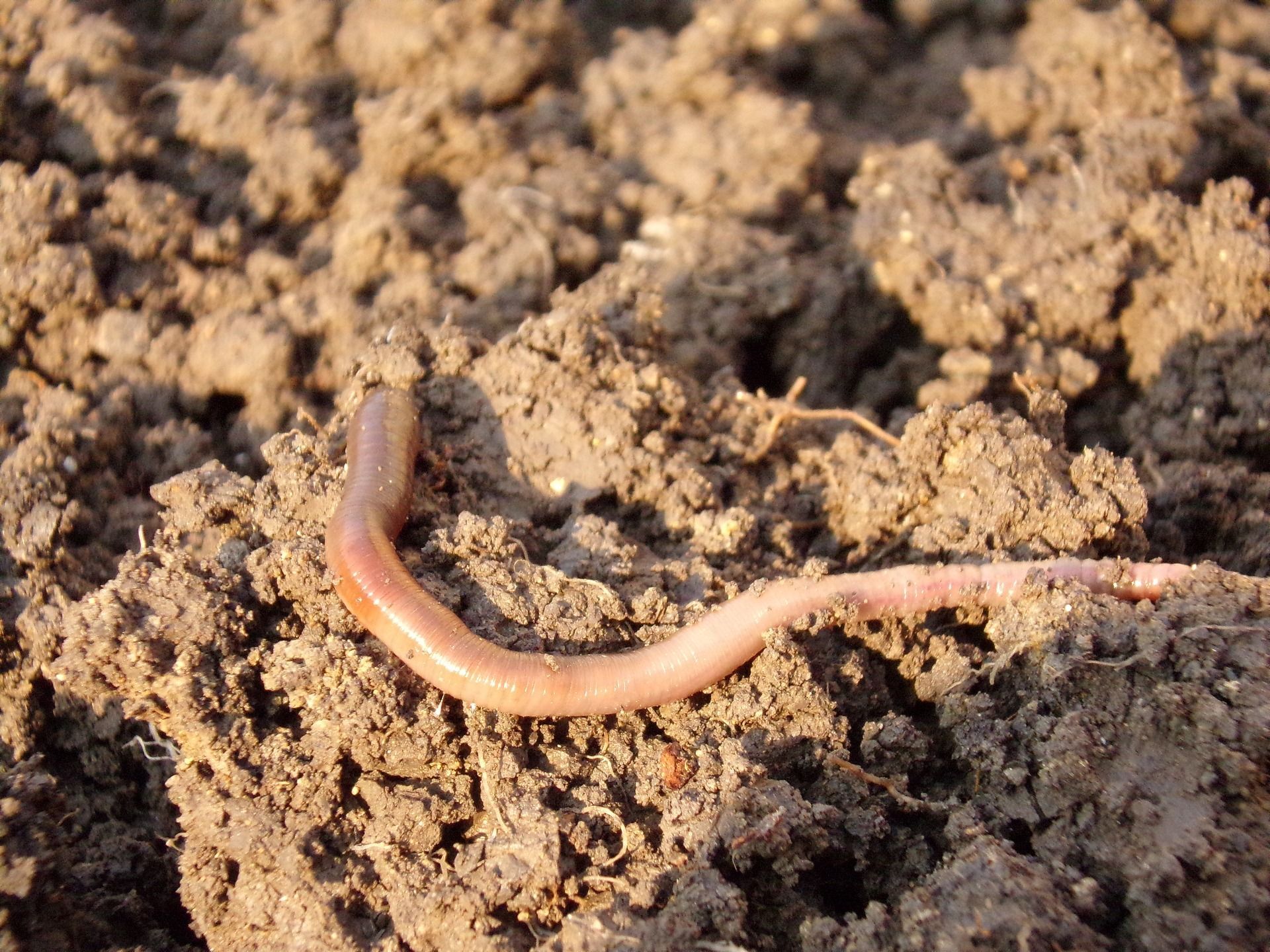
Earthworm is a general term used for those longish, pinkish, wettish, segmented worms that live in the soil. California has both native species, including some endemics - meaning they occur only here, as well as non-native species of earthworms. The native California species date back about 100 million years, making them some of California’s oldest inhabitants! Through the years these species have adapted to habitat and climate changes allowing them to continue to thrive. They can be found in soils of nearly all habitat types ranging from semi-desert, chaparral, coastal forest, oak savannah and grassland. Studies have shown that the only places that native species have failed to survive are areas heavily affected by habitat loss and degradation such as irrigated croplands and orchards, deforestation and urban uses. In these areas, native species have been displaced primarily by non-native species from Asia, Europe and Latin America.
All of them, native or not, influence the fertility of the soil in important ways. Beneficial species mix the plant residue on the surface of the ground with bacteria and fungi found within the layers of soil, they physically and chemically alter soil composition by burrowing and casting (a nice way to describe nutrient-rich, organic worm poo) activities, and by being a food source for other species of insects, birds and mammals as well as microbial and animal scavengers. Although most species are beneficial to the soil, a few of them are actually detrimental to soil composition. The jumping worm is native to eastern Asia and alters the soil in ways that make it harder for native plants to prosper which allows for non-native invasive vegetation to become established. Jumping worms grow bigger and faster than beneficial species and reproduce in a plenitudinous fashion. They consume more nutrients and in large numbers leave the soil degraded and dry.
Ok, so we know that worms are important to our ecosystem but did you know that when it rains they come out of their burrows not because they’re drowning and trying to escape their flooded tunnels; they emerge now, simply because they are more effective at moving through soil and overland when things are wet. Earthworms don’t have lungs and they don’t need to breathe air. They absorb oxygen through their skin so as long as there is oxygen in the water that they’re surrounded in, they can survive for days, even weeks. And, because the rain helps maintain temperatures in the air and soil, it’s much easier for them to move about quickly. Quickly. Not a word an earthworm uses very often.
So, short answer long - they venture out during or after a rain storm simply because they can. This is an opportune time for them to explore for food and to find a mate. But what about predators you ask? Isn’t being exposed above ground dangerous for them? Yes, but since they like to be out when it’s raining and wet, most of their predators are less active during these conditions so it gives them a window for fellowship, food and frolicking. As worms do I guess.
Fun Facts!
- There are 9000 species of earthworms in 23 different families!
- They do not have eyes but have receptor cells that are sensitive to light and vibrations.
- They can not smell but have chemoreceptors that are reactive to chemicals.
- They move by groups of bristles on each segment that help grip surfaces.
- If an earthworm is cut in half, the half with the head can grow a new tail but the half with the tail cannot grow a new head.
- Earthworms do have brains that connect nerves from the worm’s skin and muscles to control how it moves.
- Earthworms can move forward and backward but tend to usually go forward.
- If an earthworm’s skin dries out, it will become paralyzed and die.
- Earthworms can not swim and will eventually drown if they can not get out of the water.
Fun, sort of unrelated fact - insects do not have lungs but spiders do!
So help a worm out, watch where you step and, flip them out of puddles and toss them back into the grass, especially if the sun is starting to shine.
RECENT ARTICLES