By Kristie Ehrhardt
•
November 10, 2026
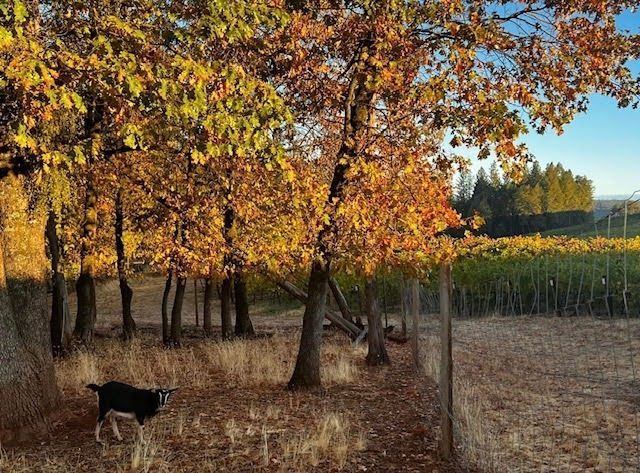
The calendar may say October but the weather conditions still have you feeling like it’s summer. Regardless of what the thermometer reads, the leaves know what’s up. Leaves are very sensitive to changes in the environment but the explosion of reds, oranges and yellows isn’t triggered by the calendar, or temperature alone, or even by our nasty faces when we hear that it’s still going to be in the upper 80s in the afternoons. What triggers the color transformation does involve temperature somewhat as it relates to the amount of daylight we receive but as the long days of summer gradually drift into the shorter days of fall, our days and nights get cooler and the amount and duration of direct sunlight decreases. As the days get shorter there is less sunlight to be absorbed, the leaves are signaled to stop producing chlorophyll (the pigment that makes leaves green). During summer, the green (because of chlorophyll) leaves are busy absorbing sunlight, like a solar panel, so the tree can have energy to produce new growth, flowers and fruit. Trees also stash away energy to use during the winter months when they can’t produce energy. As the day length and amount of sunlight decreases, the leaves are signaled to stop producing chlorophyll. Fun fact #1 - Trees and shrubs recycle the molecules that make up chlorophyll by breaking them down and then reabsorbing them to reuse next spring, saving them energy! As the chlorophyll breaks down, the green color becomes less prominent and the reds, oranges and yellows become more visible. Where do the other colors come from? It’s sort of like that new species of cat that was just discovered in Bolivia, it’s been there all along. The other colors have been hidden by the green pigment during energy-collecting days of summer. The orange and yellow pigments are called carotenoids. Foods that contain carotenoids include corn, carrots, and mangos. The darker red colors come from a chemical change caused by trapped sugars in the cells of the leaf that produce new pigments called anthocyanins. Foods containing anthocyanins include fruits like blackberries, cherries and strawberries. Fun fact #2 - Some species of oaks and maples often display vibrant red and orange leaves while aspens and ginkos paint the landscape with their stunning yellow leaves. Weather conditions also play a role in the foliage transition. Places that have a majority of dry, sunny days are more likely to have intense color transformations while locations with mainly cool, cloudy days and a higher amount of precipitation may have little to no color change. Additionally, if we have a summer drought or a wet fall, the transition to the other leaf colors may be delayed or subdued. The most dramatic color change happens when we have a warm, wet spring followed by a summer that isn’t overly hot or dry (don’t we wish) and then an autumn with lots of warm, sunny days and cool nights. Sounds ideal to me too. Fun fact #3 - The gold, orange, russet and yellow colors usually remain pretty much the same year after year because those pigments are always present and the amount of them does not change, but when we have several warm and sunny autumn days with cool nights, we may get to see more brilliant reds. The leaves’ job is to feed the tree by absorbing sunlight during the long summer days. Those leaves won’t survive the cold, short days of winter and if they remain attached to the tree, the tree’s health could be threatened. Eventually the tree forms a protective seal between the leaf and the branch and when the leaf stops receiving nutrients from the tree, it turns brown and falls off. Once all the leaves have fallen, photosynthesis stops and the tree survives the barren winter months off the energy and nutrients stored as a result of the leaves' hard work all summer long. When the leaves pile up on the ground, they provide habitat for wildlife such as frogs, insects, salamanders, spiders and snails. Invertebrates such as grubs/beetles, pincher bugs, roly-polies, and millipedes all chew the litter into smaller bits and then fungi and microorganisms break it down ever further returning rich organic matter to the soil. Just like the trees reuse their chlorophyll molecules, nutrients such as calcium, carbon, nitrogen, phosphorus and sulfur are released back into the environment to be used again and again.