


Policy Corner: Congress Is Using a Little-Known Law to Remove Your Voice from Public Land Management
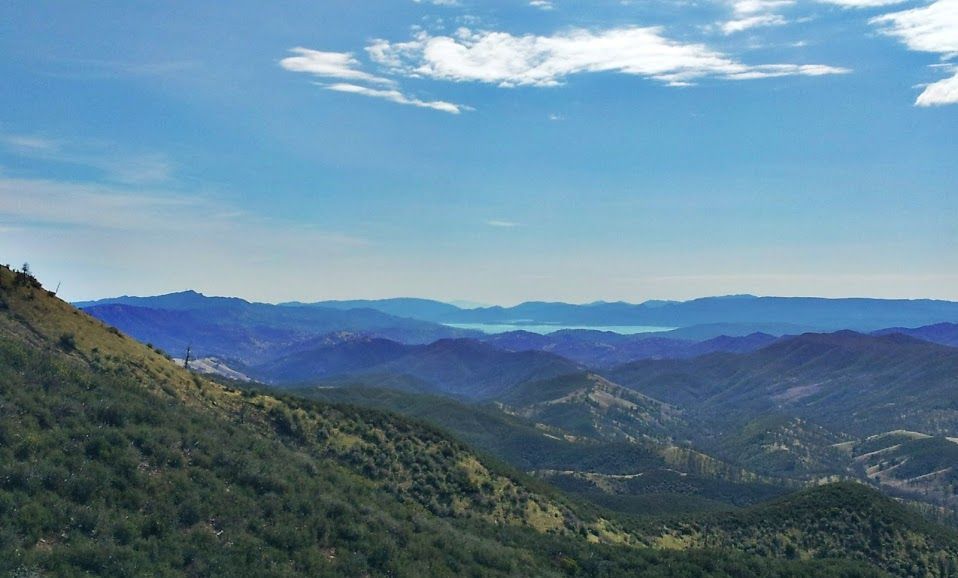
Just months after we rejected the notion of selling off our public lands, some in Congress are at it again. This time, the attack is more calculated; bypassing the communities, tribal nations, and local stakeholders who spent years shaping how our public lands are managed. Whether you hunt, fish, farm, hike, or simply love the outdoors, Congress is now overriding your voice and threatening the legal foundation that protects your access to these lands.
What is the Congressional Review Act?
The Congressional Review Act (CRA) was passed in 1996. It required that all federal agency “rules” be submitted to Congress and gave Congress 60 days to pass legislation to disapprove the rule. If Congress takes no action, the rule goes into effect. For nearly 30 years, the CRA was used sparingly, only used to review federal regulations.
But Congress has now started using the CRA in a new and unprecedented way: to overturn Bureau of Land ManagementResource Management Plans (RMPs) and
National Monument Management Plans; the blueprints that guide how our public lands are managed and protected.
Resource Management Plans (RMPs) and National Monument Management Plans aren’t just paperwork. They are the result of years of public engagement that include tribal consultation, community input and scientific analysis that determine how millions of acres of public land are used and protected. These plans govern everything from recreation use and grazing permits to oil and gas leases, conservation designations, and wildfire management.
Why this is everyone’s problem
For decades, neither BLM nor Congress considered these plans to be “rules” subject to congressional review. They were understood as long-term planning documents: overarching guidance for how agencies managed land, embracing principles appropriate to the particular lands and their characteristics. Land management plans have never, in the 50 years we’ve been preparing and following them, been considered rules. That is, not until this Congress.
Since October 2025, Congress has rescindedfive BLM management plans covering tens of millions of acres in Alaska, Montana, and North Dakota and overturned a decision that protected the
Arctic National Wildlife Refuge from oil and gas leasing. By treating these plans as “rules” subject to the CRA, Congress has called into question the legal validity of every management plan finalized since 1996. At threat are 123 BLM plans and 176 active Forest Service plans covering over 166 million acres, 14 of them are in California, including those governing Berryessa Snow Mountain National Monument and other lands in the region
An Attack on One Monument is an Attack on All
The CRA threat has now reached our National Monuments. As of February 26, 2026, Senator Mike Lee formally began the process of fast-tracking the destruction of the Grand Staircase-Escalante National Monument Management Plan in Utah, the first time the CRA has ever been applied to a National Monument.
The Grand Staircase-Escalante National Monument Management Plan took years to develop. BLM engaged in extensive government-to-government consultation with tribal nations who have lived in and around the monument since time immemorial; nations whose ancestral cultural sites are woven throughout the monument’s 1.9 million acres. Local governments, ranchers, outfitters, scientists, conservationists, and community members all had a seat at the table. The result is a plan that balances wildlife protection, outdoor access, dark night skies, grazing, and cultural preservation, reflecting the full breadth of what makes Grand Staircase-Escalante, known as the “Science Monument”, so remarkable.
What makes the decision particularly alarming is the irreversibility. Once Congress rescinds a management plan under the CRA, BLM is barred from issuing another plan that is “substantially the same.” withoutanother act of Congress.
Years of tribal consultation, community collaboration, and scientific analysis cannot simply be redone, and the protections that came from that work cannot be easily restored. The monument’s geology, fossils, wildlife habitat, grazing access, and cultural resources would all be left in a management vacuum, vulnerable to illegal vehicle use, landscape-level clearcutting of native pinyon-juniper forests, and unchecked extractive activities.
This is the pattern. What happens in Utah, Alaska, Montana, and North Dakota today sets the precedent for what can happen at Berryessa Snow Mountain National Monument and every other monument. Once Congress establishes that Monument Management Plans are fair game to be overridden through congressional review, no monument, no matter how beloved, no matter how many years of work went into its protection is truly safe. An attack on one monument is an attack on all of them.
What Tuleyome is doing about it
We’re working with a nationwide coalition to prevent further misuse of the CRA. We are supporting legislation clarifying that land management plans are not subject to the CRA. We are ensuring that our elected officials know how much the public supports public lands and wants them protected.
We are committed to fighting back, working alongside community members, tribal nations, and coalition partners to keep our public lands in public hands.
We will continue to monitor developments and keep you informed.
What you can do about it.
Contact your representatives and let them know that public lands belong to all of us, and decisions about how they are managed should stay rooted in our communities, not decided in Washington D.C. Ask them to vote against resolutions that use the CRA to roll back our resource management or monument management plans.
Monitor Tuleyome’s social media to stay up to date on fast moving issues and see how you can help. Connect with efforts to protect the Grand Staircase-Escalante National Monument Management Plan. Stay tuned. We’ll let you know what’s happening and how you can make a difference.
RECENT ARTICLES