


Science Corner - Spider Season
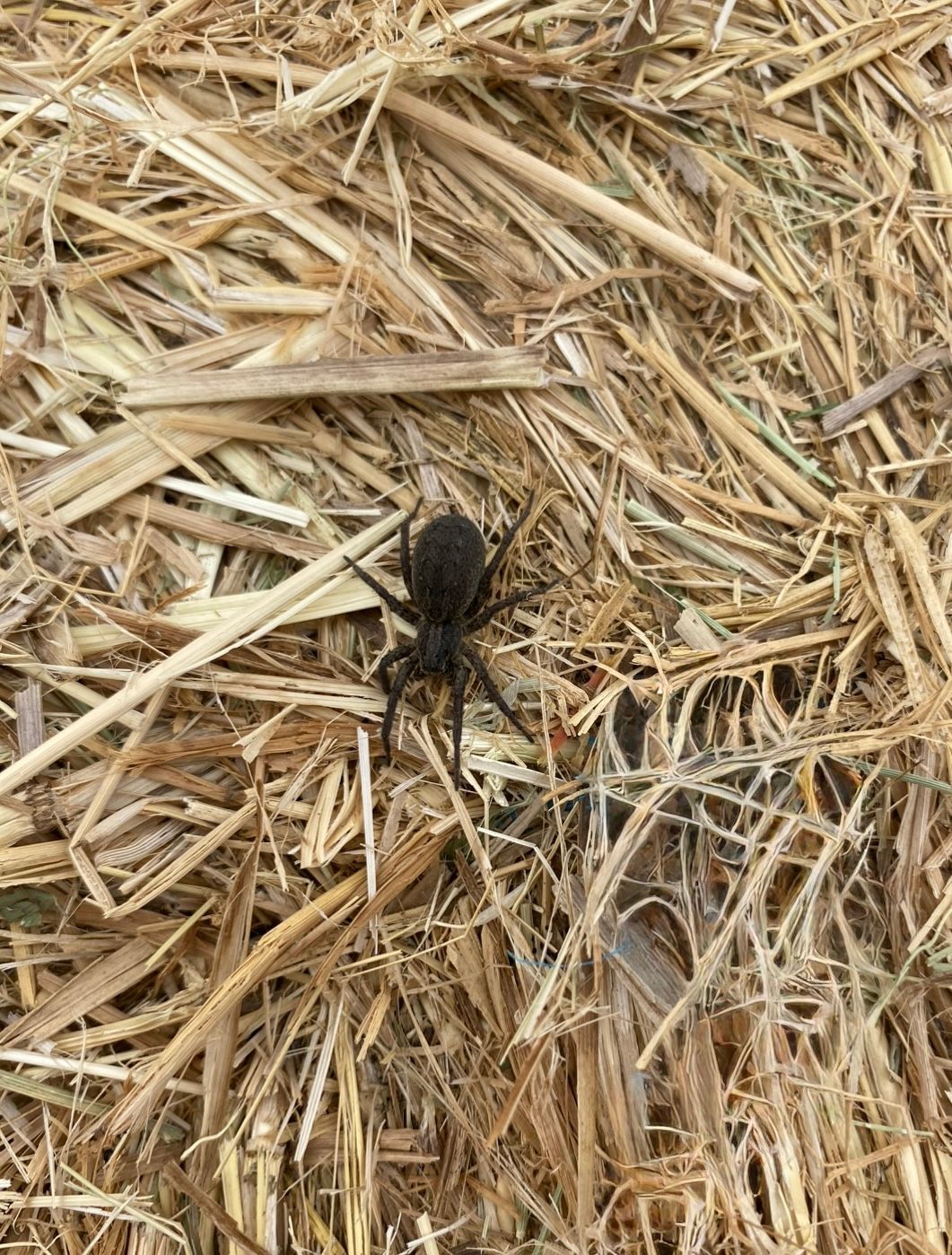
Whether you’ve just walked to the mailbox or hiked through the Berryessa Snow Mountain National Monument you’ve probably experienced the joy of having at least one stringy spider web seemingly appear out of nowhere and gently traipse across your face and stick. Nearly invisible, there it settles, tenderly caressing your cheek and irritating you beyond measure. Ahhh, welcome to Spider Season.
Spider season is just one of the many intervals of the Sacramento Valley that make our region so endearing. Let’s discuss them, shall we?
- Winter - “cold”, sometimes wet, sometimes not
- Fool’s Spring - a lovely period in late winter that tricks everyone into thinking its over
- Second Winter - an abrupt turnaround and right back into Winter we go
- Spring of Deception - a few pleasing days just before all hell breaks loose
- Pollening - We’ve all seen the comparison of a pollen grain and the Death Star. Accurate.
- Summer - hang on, here we go
- Hot like Fire - days and days of hotness, no Delta Breeze, sometimes accompanied with wildfire smoke
- Road Construction - This is my least favorite and unfortunately the longest season in Sacramento. Seriously.
- False Fall - a couple of 80 degree teasers but then the air conditioner kicks back on
- Actual Fall - ahhh, pumpkin spice and sweater weather
- Spider Season - ➡️HERE. WE ARE HERE. THIS IS WHERE WE ARE⬅️
So, now that we’ve clarified what season we’re in, let's explain why spider webs magically float through the air just waiting and hoping to land on something sturdy. Often that’s you or me but more often than that it’s a tree, bush, car, light pole, or anything that happens to intersect it.
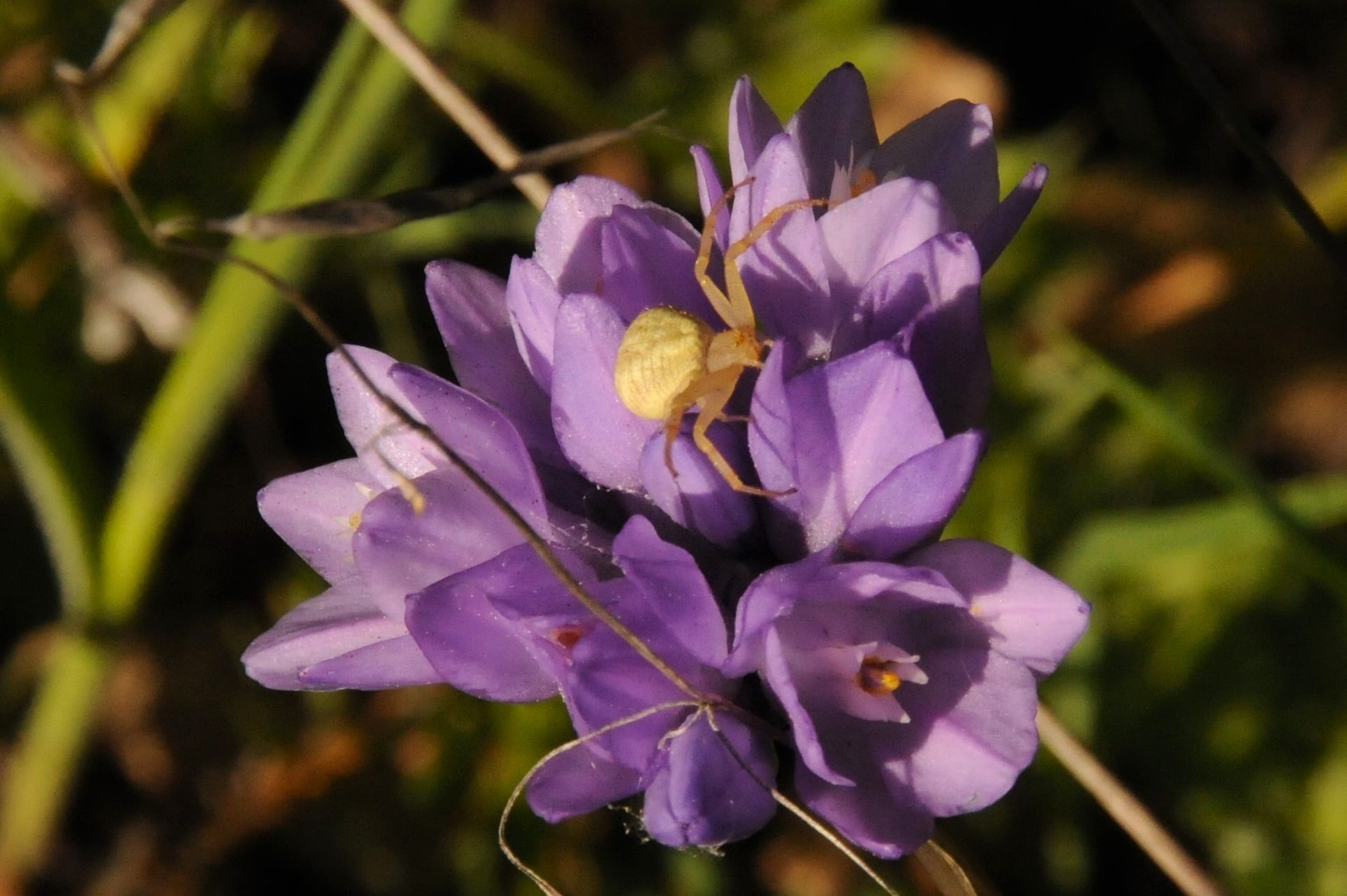
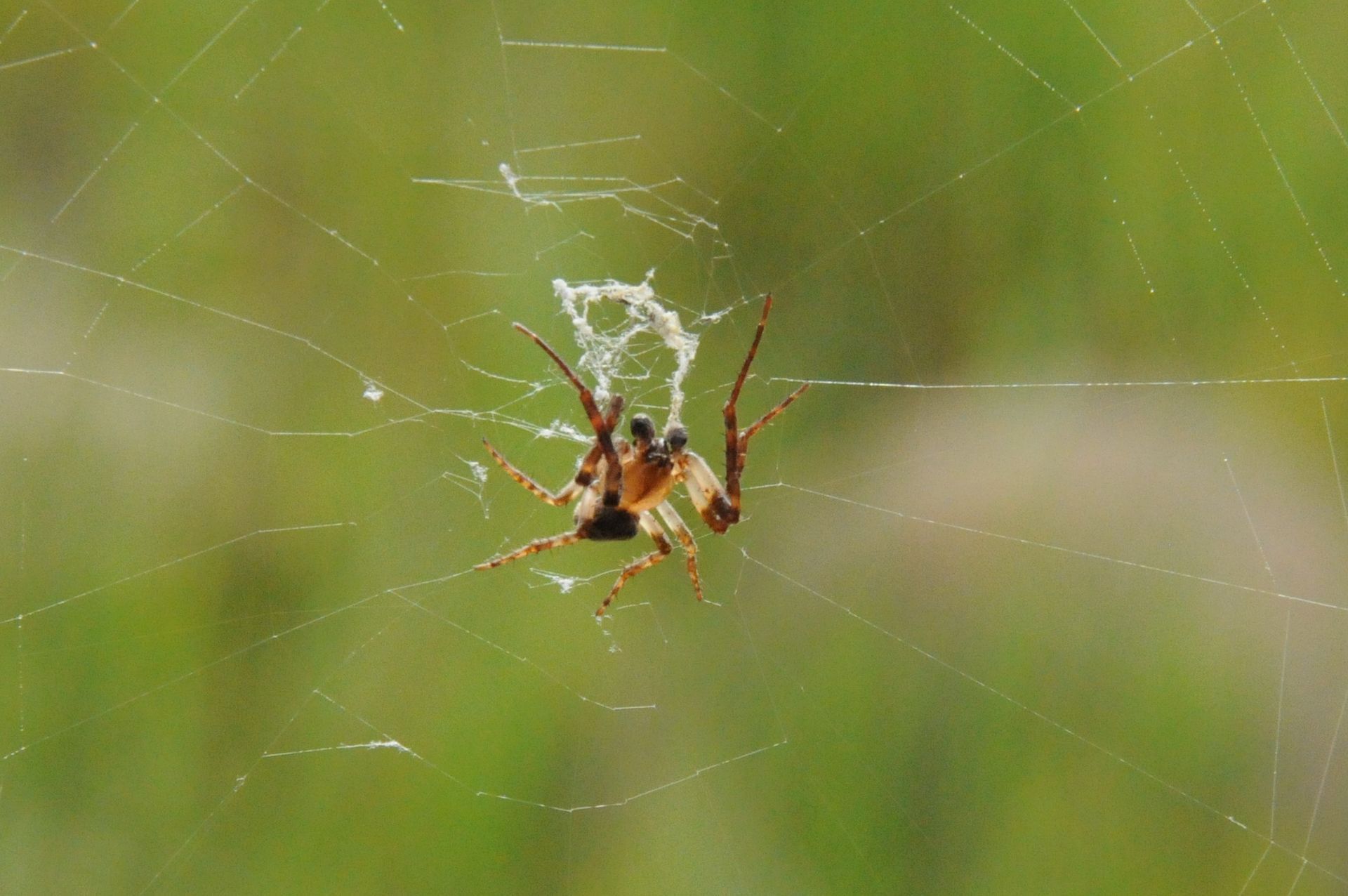
I hate to tell you this but on the end of that little wisp of string is a teeny tiny spiderling. I think we all know that spiders use their silk to build intricate webs and cool trap doors to catch prey. And, spiders also use their silk to anchor themselves to keep from falling but did you know that they also use their silk to fly? The process is called ballooning (of course that’s what it’s called, that makes perfect sense) and it’s one way for tiny baby spiders to disperse far and wide and avoid competition from their parents or hundreds of siblings. Because the spiderlings are so light weight they are able to float on the wind so to speak. To make it all work though, there needs to be a breeze. The baby spider faces into the wind and begins to release silk from its abdomen. As the wind carries the silk thread it begins to get longer and longer until the spiderling finally releases his or her grip and takes flight. The spiderlings and their flying strings can travel long distances, up to three miles high and across oceans! Some of the lucky ones land in places suitable for a young spider to homestead. Flying is hungry work and once they land they usually immediately begin hunting for a meal. Sometimes we see a single white strand gracefully sailing by and sometimes a few of them touch and stick together forming white clumps. And still other times extremely large numbers of ballooning spiders get all tangled up and collect on things making them look like something other than dispersing baby spiders. In fact, during World War II, wads of spider silk was mistaken for chemical warfare!
There are about 50,000 known species of spiders in the world and ballooning is a part of their lifecycle - that’s a lot of spider webs floating through the sky! But never fear, it won’t last long, just like our other seasons (except for Road Construction Season).
RECENT ARTICLES