


Enjoying Outside! - Leave No Trace
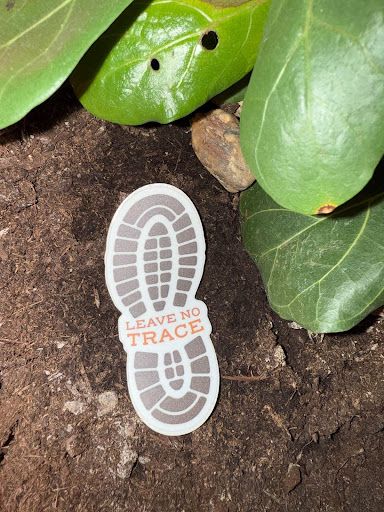
Pack it in, pack it out. You’ve probably seen signs at the trail head urging hikers to pick up their trash and any other trash they may encounter while out enjoying our public lands. Today it’s even more important to pack it in, pack it out since many of our land stewards may currently be “away from their desks” meaning they aren’t out there with us making sure everyone follows the pre-school clean-up clean-up song rules.
Clean up, clean up - everybody, everywhere.
Clean up, clean up - everybody do your share.
Established by the Leave No Trace Center for Outdoor Ethics in the 1980’s, Leave No Trace is a set of seven principles and ethics established in conjunction with the Bureau of Land Management, the National Park Service and the US Forest Service to ensure that we as beneficiaries of our public lands, are aware of our actions and the effects that we have on the environment, plants, wildlife and other people.
The seven principles as written and published by the Leave No Trace Center for Outdoor Ethics are:
-Plan ahead and prepare
-Travel and camp on durable surfaces
-Dispose of waste
-Leave what you find
-Minimize campfire impacts
-Respect wildlife
-Be considerate of other visitors
Plan ahead and Prepare. It is important to be prepared by planning ahead because it not only helps to ensure the safety of those in your group but it also helps to reduce damage to resources that may occur in an emergency. Planning and being prepared also increases enjoyment and opportunities for learning about nature. To help you prepare, be sure to check restrictions and regulations for the area that you’ll be visiting. Check the weather and pack for extreme and hazardous conditions. Travel in smaller groups to maintain good communication and try to plan your trip when the area will be less crowded to minimize impacts to the environment. Package food to minimize waste and be sure to bring a compass, maps or a GPS so as not to need to leave marks or flagging on the trail.
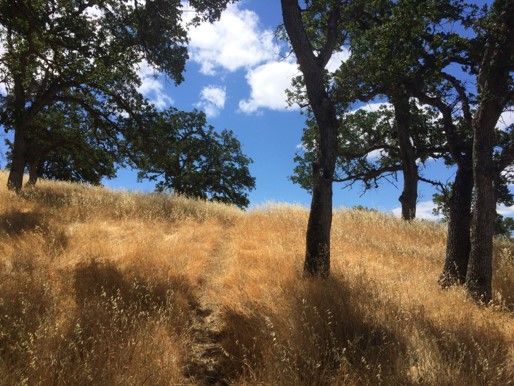
Travel and Camp on Durable Surfaces. This means utilizing maintained trails and designated camping areas. Durable surfaces may include not only trails but also rock, gravel, sand, dry grass or even snow in some locations. Using only designated areas and not altering the landscape will keep it open and available for others that may come after you. Keeping camping areas as small as possible and walking single file along trails helps limit damage and disturbance to nearby vegetation. And maintaining at least a 200 foot buffer between your camping activities and rivers, creeks, streams and lakes helps ensure water quality and safety.
Dispose of Waste Properly. You’ve probably guessed that this right here is where pack it in, pack it becomes really serious. While at your campsite or even if you’re just stopping for lunch at a pretty vista, be sure to inspect the area for leftover food, trash and anything else not left behind by Mother Nature. Using toilet facilities is always best but if you’re in a wilderness area catholes should be six to eight inches deep, covered before you leave and at least 200 feet away from waterways, camps and trails. And of course packing out all plastic and paper products is essential. Using biodegradable soap to wash dishes and bathe is best and should also be done at least 200 feet away from waterways.
Leave What You Find. As the saying goes, take only memories and photos. This means leaving pretty rocks and plants behind for others to admire. If you come across a cultural or historic artifact, appreciate it, photograph it but don’t touch it. Avoid altering the landscape by not building structures, stacking rocks, digging trenches or introducing non-native vegetation and wildlife.
Minimize Campfire Impacts. We all know the devastation caused by wildfires and campfires can also cause lasting impacts to the environment. Using a cook stove and a lantern can be just as effective and pretty fun. Some areas also have fire restrictions so be sure to check their websites before lighting one. If allowed, keeping your fire small can help keep it under control and makes it easier to be completely extinguished.
Respect Wildlife. If you get to see wildlife during your visit consider yourself lucky! To ensure your own as well as their safety, please keep your distance and do not feed them; especially during nesting or mating season or when they might have young nearby. By keeping your food and trash properly stored, you can also protect resident wildlife by keeping them from learning bad behaviors. Keeping your pets at home or on a leash also helps wildlife stay healthy as well as keeping your pet safe.
Be Considerate of Other Visitors. Being respectful of other visitors helps protect their and your experience. Yielding to others on the trail, keeping voices to a reasonable level and taking breaks away from other visitors helps increase everyone’s enjoyment of nature.
Each one of us plays an essential role in guarding our public lands, especially now. Keeping the principles of Leave No Trace in mind while recreating ensures that you, and those following behind you, can continue to enjoy our shared pristine places. Places that are vital to the plants and wildlife that call it home as well as those of us that visit.
To learn more about Leave No Trace, please visit their
website.
RECENT ARTICLES