


Donor Spotlight - Marc Hoshovsky
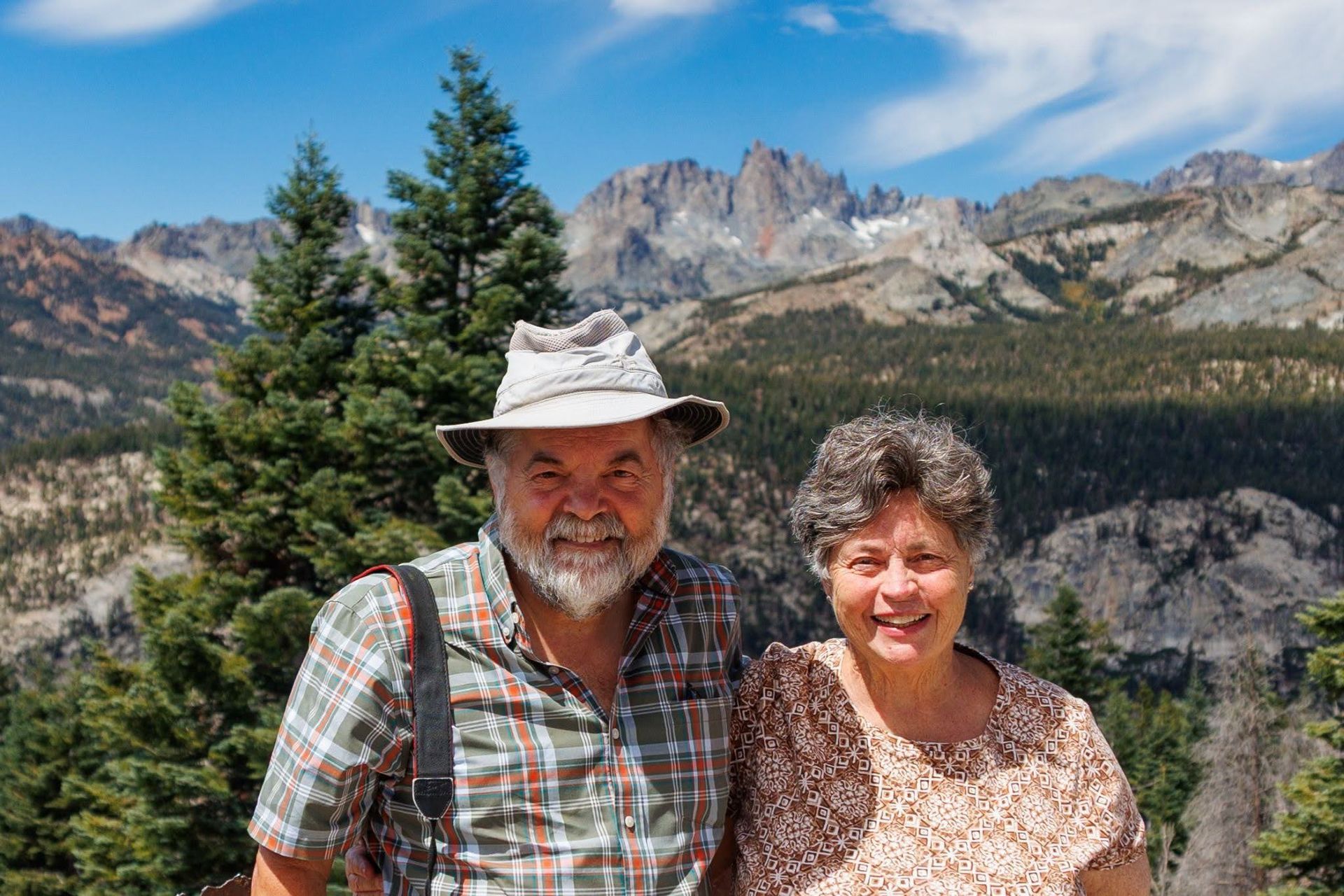
I’ve lived in Davis for over 40 years and I’ve been involved in habitat conservation both professionally and as a volunteer to local nonprofits most of that time. Over that time, I saw how under-recognized the northern Inner Coast Ranges had been, and I appreciated efforts by Andrew Fulks in the late 1990s to develop and maintain the Yolo Hiker website. This was a great information source that helped me, and others, learn more about the recreation potential of the greater Berryessa region. It was good to see him, Bob Schneider, and others expand that effort into starting up Tuleyome in 2002.
I first started helping Tuleyome on trail restoration projects in UC’s Stebbins Cold Canyon Reserve, near Lake Berryessa, and I’ve participated in several of the hikes that Tuleyome has offered over the years. I briefly helped with their wildlife cameras project on the Silver Spur Ranch to monitor mammal activity on the ranch. While I was writing about the natural history of the Berryessa region, I provided guest lectures about regional geology for Tuleyome’s Master Naturalist class. These are great classes that help participants learn more about the natural history of the Inner Coast Ranges.
Tuleyome makes it a priority to engage the public in many aspects of land conservation, whether it be trail and habitat restoration, wildlife monitoring, educational classes, free loaner hiking boots for kids (kids go through shoes so fast!), or just participating in hikes. Getting people involved in conservation activities increases their awareness about that land. And that awareness leads them to be more active in helping protect those lands.
I hope my support can help improve people’s understanding of the special significance of the region’s history and natural values, improve their enjoyment and appreciation of those lands, and improve conservation of land and habitat in the region.
Tuleyome was instrumental in bringing together a broad coalition of interests, including recreational interests, business interests and local and tribal governments to support establishment of the National Monument in 2015. This coalition helped defend the National Monument from federal threats in 2017 to remove the designation, as well as to expand the Monument to protect the valuable and rare habitats on Molok Luyuk in 2024.
RECENT ARTICLES