By Geoff Benn
•
October 7, 2026
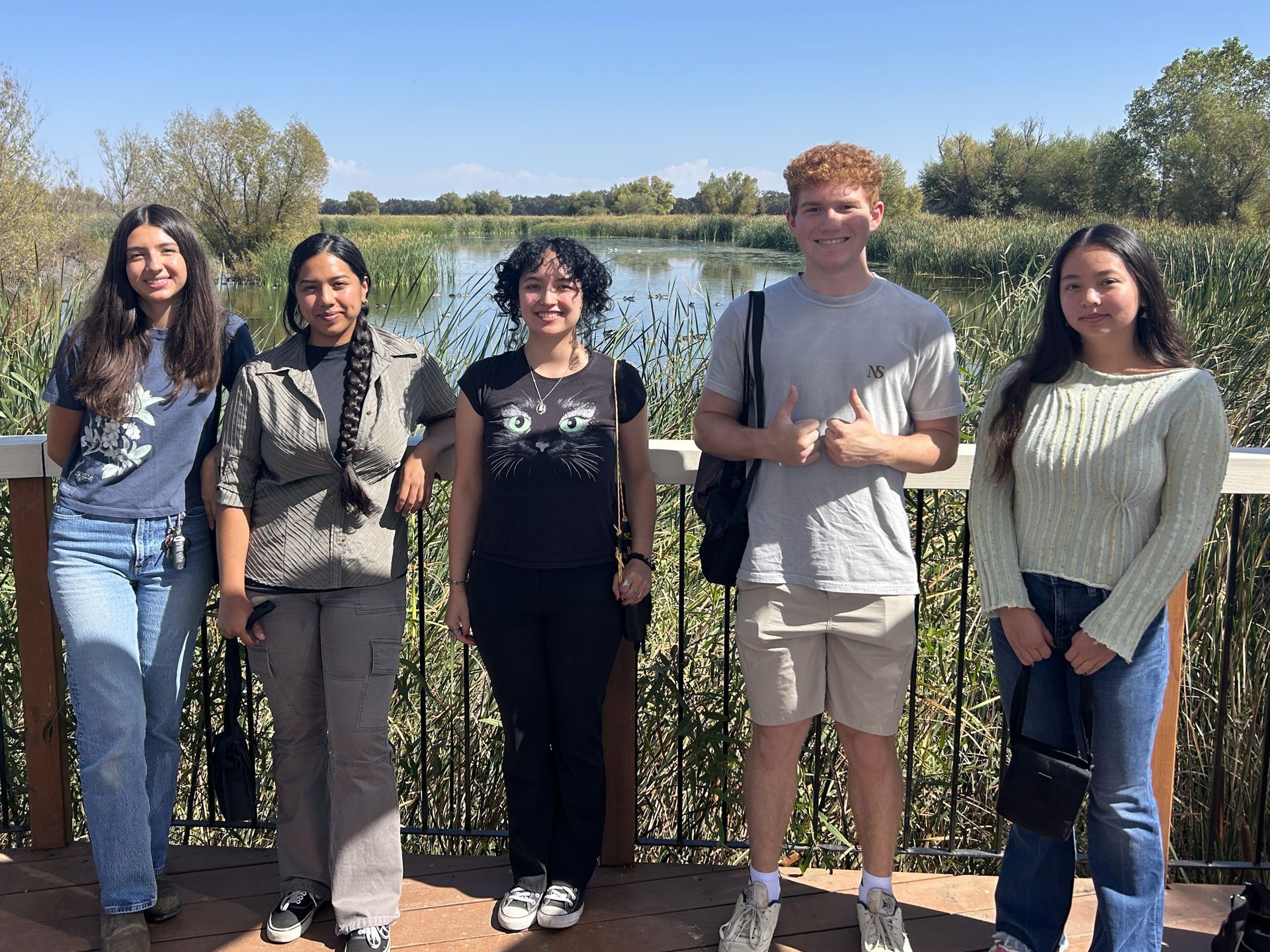
Interns Deana Martinez, Yaquelin Gonzalez, Gabriella Limon, Ben Hubbard, and Keira Lazaro at Woodland Regional Park Preserve. Tuleyome is excited to welcome our largest ever cohort of interns, including four Horticultural Interns and one Communications Intern! Our Horticultural Interns are paired with volunteer mentors at Woodland Regional Park Preserve where they learn about managing invasive plants and monitoring populations of rare native plants. This year’s mentors are Jennifer Hogan and Teri Barry, both longtime volunteers and leadership team members at the Preserve. Our Communications Intern works closely with Program Director Nate Lillge to shape and execute our communications, including social media, e-newsletters, and more. Keep reading to meet each of our interns: Horticultural Intern Yaquelin Gonzalez has lived within the bounds of Sacramento County her whole life, where her mother’s garden and love for rock collecting sparked her appreciation for nature. Her desire to enter the environmental field was further fueled via nature-based field trips during elementary school. After high school, she began studying at American River College and eventually transferred to the University of California, Davis in 2025 to study Environmental Science and Management, focusing on Ecology, Biodiversity, and Conservation. Here, she has gained an interest in soil science as well as plant ecology and hopes to pursue a research career in restoration ecology. In her spare time, she likes to go on nature walks, play the guitar, read, bake, and listen to podcasts. Horticultural Intern Ben Hubbard grew up in Roseville, California where he spent a lot of time outdoors with friends, competing in sports, hiking, as well as instructing elementary school field trips about the environment, specifically wetlands. He just recently transferred from Sierra College to the University of California, Davis and is working towards completing his Bachelor’s degree in Environmental Science and Management with a specialization in Ecology. When he completes his education, he hopes he can make a difference in the world and help to preserve wildlife and natural land for the next generation to enjoy as much as he has. When he’s taking a break from studying you can find him practicing with his recreational sports team, grabbing a coffee, hiking, enjoying a good story, or just hanging out with friends. Horticultural Intern Keira Lazaro is a third year undergraduate at University of California, Davis where she majors in Environmental Toxicology. She’s specializing in pharmacology and biotechnology with hopes to work in a research lab on specific pathogens that attack native California crops. She is also a part of the University Honors Program in Davis and is taking the first couple of steps towards her fourth year signature work on the oxidation chemistry behind electronic cigarette devices, specifically with exposure in indoor environments. Keira grew up in Los Angeles County and hopes to find a career in Southern California once she graduates. When she is able to go back home she spends most of her free time at the beach or hiking. Communications Intern Gabriella Limon grew up in Bishop, California, within the Sierra Nevada and Owens Valley where she became connected with wildlife and stewardship. She spent her later teenage years in Southern California and committed to the University of California, Davis, where she is currently pursuing a Bachelor's Degree in Environmental Policy Analysis and Planning with a focus on conservation management. In addition, she is also a scholar staff member of the UC Davis Women’s Resources and Research Center where she provides STEM-based programming and academic support to students of marginalized identities. Gabby is especially passionate about wildlife justice, land protection, and environmental education. She spends her free time writing, playing video games, tide pooling, hiking, and logging critters. Horticultural Intern Deana Martinez grew up in Arbuckle, California, surrounded by rice fields and almond orchards, which grew her interests in agriculture. She is currently in her 4th year at the University of California, Davis, where she is pursuing a Bachelor’s Degree in Entomology with a Soil Science minor. Along with classes, she is involved in a Nematology research lab, working with plant parasitic nematodes and their interactions with common crop systems in California. She has also held a student position with the Plant Biology research greenhouses as a technician for the past 3 years. Outside of school and work, Deana enjoys hiking, reading, and spending time with her family.