


Noticias y perspectivas
Todas las publicaciones del blog
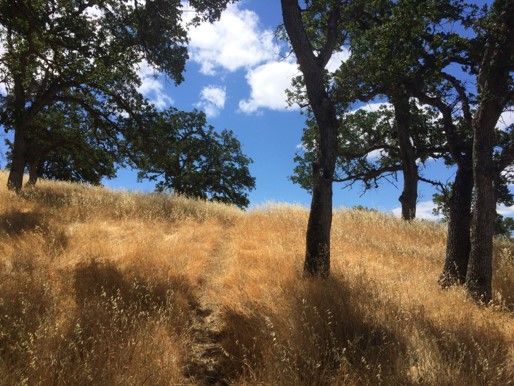
Blue oaks on the Berryessa Peak Trail. Photo by Geoff Benn. Our September Nature and You speaker was Tuleyome Education Associate Geoff Benn, who gave a lecture on one of his favorite subjects, California’s amazing oaks. In the lecture, Geoff discussed how California’s oaks evolved and how they deal with a range of challenges, including drought, fire, and diseases. If you missed it, be sure to check out his talk here.
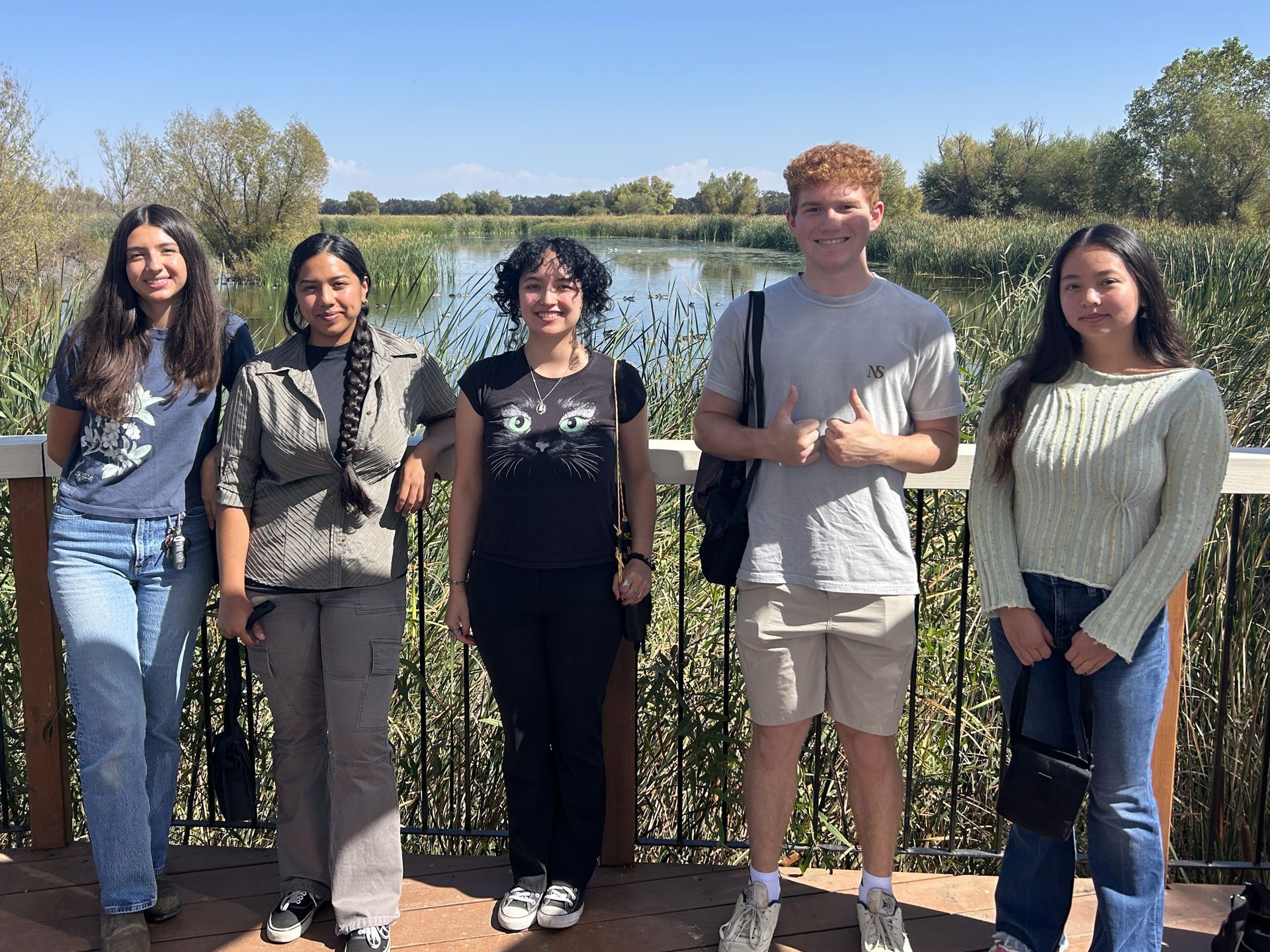
Interns Deana Martinez, Yaquelin Gonzalez, Gabriella Limon, Ben Hubbard, and Keira Lazaro at Woodland Regional Park Preserve. Tuleyome is excited to welcome our largest ever cohort of interns, including four Horticultural Interns and one Communications Intern! Our Horticultural Interns are paired with volunteer mentors at Woodland Regional Park Preserve where they learn about managing invasive plants and monitoring populations of rare native plants. This year’s mentors are Jennifer Hogan and Teri Barry, both longtime volunteers and leadership team members at the Preserve. Our Communications Intern works closely with Program Director Nate Lillge to shape and execute our communications, including social media, e-newsletters, and more. Keep reading to meet each of our interns: Horticultural Intern Yaquelin Gonzalez has lived within the bounds of Sacramento County her whole life, where her mother’s garden and love for rock collecting sparked her appreciation for nature. Her desire to enter the environmental field was further fueled via nature-based field trips during elementary school. After high school, she began studying at American River College and eventually transferred to the University of California, Davis in 2025 to study Environmental Science and Management, focusing on Ecology, Biodiversity, and Conservation. Here, she has gained an interest in soil science as well as plant ecology and hopes to pursue a research career in restoration ecology. In her spare time, she likes to go on nature walks, play the guitar, read, bake, and listen to podcasts. Horticultural Intern Ben Hubbard grew up in Roseville, California where he spent a lot of time outdoors with friends, competing in sports, hiking, as well as instructing elementary school field trips about the environment, specifically wetlands. He just recently transferred from Sierra College to the University of California, Davis and is working towards completing his Bachelor’s degree in Environmental Science and Management with a specialization in Ecology. When he completes his education, he hopes he can make a difference in the world and help to preserve wildlife and natural land for the next generation to enjoy as much as he has. When he’s taking a break from studying you can find him practicing with his recreational sports team, grabbing a coffee, hiking, enjoying a good story, or just hanging out with friends. Horticultural Intern Keira Lazaro is a third year undergraduate at University of California, Davis where she majors in Environmental Toxicology. She’s specializing in pharmacology and biotechnology with hopes to work in a research lab on specific pathogens that attack native California crops. She is also a part of the University Honors Program in Davis and is taking the first couple of steps towards her fourth year signature work on the oxidation chemistry behind electronic cigarette devices, specifically with exposure in indoor environments. Keira grew up in Los Angeles County and hopes to find a career in Southern California once she graduates. When she is able to go back home she spends most of her free time at the beach or hiking. Communications Intern Gabriella Limon grew up in Bishop, California, within the Sierra Nevada and Owens Valley where she became connected with wildlife and stewardship. She spent her later teenage years in Southern California and committed to the University of California, Davis, where she is currently pursuing a Bachelor's Degree in Environmental Policy Analysis and Planning with a focus on conservation management. In addition, she is also a scholar staff member of the UC Davis Women’s Resources and Research Center where she provides STEM-based programming and academic support to students of marginalized identities. Gabby is especially passionate about wildlife justice, land protection, and environmental education. She spends her free time writing, playing video games, tide pooling, hiking, and logging critters. Horticultural Intern Deana Martinez grew up in Arbuckle, California, surrounded by rice fields and almond orchards, which grew her interests in agriculture. She is currently in her 4th year at the University of California, Davis, where she is pursuing a Bachelor’s Degree in Entomology with a Soil Science minor. Along with classes, she is involved in a Nematology research lab, working with plant parasitic nematodes and their interactions with common crop systems in California. She has also held a student position with the Plant Biology research greenhouses as a technician for the past 3 years. Outside of school and work, Deana enjoys hiking, reading, and spending time with her family.
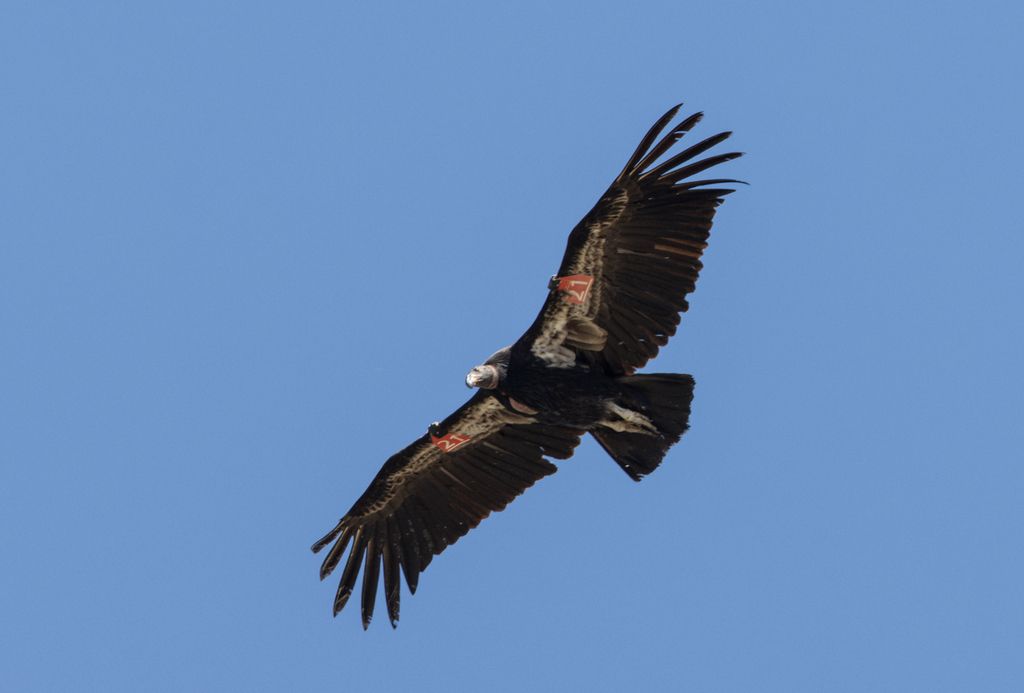
California’s condors and sea otters are two of conservation’s great comeback stories – species that were once on the brink of extinction and have rebounded thanks in large part to the Endangered Species Act (ESA). That 50-year-old law is now facing one of the most significant rollbacks in its history, and California is fighting back in court. Last week, Attorney General Rob Bonta, joined by a coalition of 21 state attorneys general, filed two lawsuits challenging the Trump administration’s recent changes to the ESA. At the center of the fight is a single but enormously consequential change: the administration rescinded the longstanding definition of “harm” under the Act – a definition that, since the early 1980s, has made it illegal to destroy or damage the places endangered species live, breed, and feed. Without it, habitat destruction itself may no longer count as illegal “harm” to a species, even though most biologists agree habitat loss is the single biggest threat facing endangered species today. The changes don’t stop there. The administration is also making it easier for federal agencies to avoid designating “critical habitat” for at-risk species, and it has eliminated automatic protections for newly-listed threatened species – meaning wildlife officials must now write custom protection rules for each species one at a time. That’s a heavy lift for an agency that has reportedly lost more than a third of its staff, and which currently has 400 species waiting for a protection decision. Why this matters here at home California is home to more threatened and endangered species than any other state. It’s natural to assume the state’s own Endangered Species Act would fill any gap left by federal rollbacks – but legal experts point out that California’s law, as written, doesn’t clearly protect habitat at all. It primarily prohibits killing or injuring individual members of a listed species, not damaging the places they live. That means the very thing under threat federally – habitat protection – may not have a reliable backstop at the state level either. What this means for our work At Tuleyome, so much of what we do, protecting oak woodlands, wildlife corridors, and watershed habitat across our region – depends on the basic principle that a species' home matters as much as the species itself. A condor or a Clear Lake hitch can’t survive court-ordered protection from hunting alone if the habitat it depends on is quietly bulldozed, drilled, or logged out from under it. This lawsuit is about defending that basic principle at the federal level, and it’s a reminder of why local land protection and legislative advocacy matters now more than ever – because the safety net above us may have real holes in it.
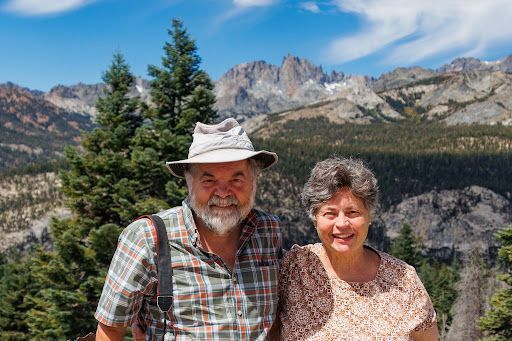
I’ve lived in Davis for over 40 years and I’ve been involved in habitat conservation both professionally and as a volunteer to local nonprofits most of that time. Over that time, I saw how under-recognized the northern Inner Coast Ranges had been, and I appreciated efforts by Andrew Fulks in the late 1990s to develop and maintain the Yolo Hiker website. This was a great information source that helped me, and others, learn more about the recreation potential of the greater Berryessa region. It was good to see him, Bob Schneider, and others expand that effort into starting up Tuleyome in 2002. I first started helping Tuleyome on trail restoration projects in UC’s Stebbins Cold Canyon Reserve, near Lake Berryessa, and I’ve participated in several of the hikes that Tuleyome has offered over the years. I briefly helped with their wildlife cameras project on the Silver Spur Ranch to monitor mammal activity on the ranch. While I was writing about the natural history of the Berryessa region, I provided guest lectures about regional geology for Tuleyome’s Master Naturalist class. These are great classes that help participants learn more about the natural history of the Inner Coast Ranges. Tuleyome makes it a priority to engage the public in many aspects of land conservation, whether it be trail and habitat restoration, wildlife monitoring, educational classes, free loaner hiking boots for kids (kids go through shoes so fast!), or just participating in hikes. Getting people involved in conservation activities increases their awareness about that land. And that awareness leads them to be more active in helping protect those lands. I hope my support can help improve people’s understanding of the special significance of the region’s history and natural values, improve their enjoyment and appreciation of those lands, and improve conservation of land and habitat in the region. Tuleyome was instrumental in bringing together a broad coalition of interests, including recreational interests, business interests and local and tribal governments to support establishment of the National Monument in 2015. This coalition helped defend the National Monument from federal threats in 2017 to remove the designation, as well as to expand the Monument to protect the valuable and rare habitats on Molok Luyuk in 2024.
You may have seen it and not realized. It’s not the plant that we get our morning brew from, nor is it striking, or rare, or really anything to get excited about but coffeeberry is something that always perks (ha!) me up when I see it. Coffeeberry belongs to the buckthorn ( Rhamnaceae ) family. This family has about 55 genera and over 950 species worldwide. There aren’t many really well-known superstars in the Buckthorn family but there are a couple that you may be familiar with. California lilac ( Ceanothus sp .) are important native shrub species that occur in various regions of California; sweet, delicious jujubes are members of the family as is the equally tasty Japanese raisin tree. The buckthorn bush is the source of sapgreen, a green pigment used by artists, and the alder buckthorn was historically used to make charcoal and gunpowder. This pretty, somewhat introverted shrub commonly intermingles with other chaparral species in the Berryessa Snow Mountain National Monument and other portions of the Inner Coastal Range and elsewhere in California. Coffeeberry ( Frangula californica ) is widely distributed throughout the western United States and is found not only in California but also in: Arizona, Oregon, New Mexico, Nevada and Baja California. It occurs in a variety of habitats including chaparral, coastal and northern sage scrub, mixed evergreen and redwood forests and oak woodlands. It can thrive in full sun, light shade or as an understory plant. It does well on dry, sandy or rocky soils on hillsides and can tolerate drought as well as seasonal flooding. There are six subspecies of coffeeberry: Frangula californica ssp . Californica occurs in coastal regions below 9,000 feet from Oregon south to Orange County; F. c. crassifolia is found below 4,500 feet from the Klamath Mountains and the northwest Coastal Range; F. c. cuspidata grows below the 7,500 foot elevation in the southern Sierra Nevada Mountains, Transverse and Peninsular ranges; F. c. occidentalis also occurs below 7,500 feet in southwestern Oregon and northwestern California; F. c. tomentella occurs below 7,500 feet from Oregon’s Cascades to the Sacramento Valley south to Baja California and F. c. ursina is geographically separated and only occurs in California in San Bernardino County but is also found in Arizona and New Mexico. F. c. crassifoli a is the subspecies most commonly found in the Berryessa Snow Mountain National Monument region. It is a medium sized evergreen shrub growing from about six to 15 feet tall and about 15 feet wide under the canopy of larger shrubs and woodland communities. It has tough, sturdy roots that resist fire and strong branches that tolerate heavy pruning either by wildfires or hedge trimmers. Once pollinated their tiny flowers produce green fruit that then transitions to yellow, bright red, then purple and finally plump, shiny black colored berries from July through to about November. The fully ripened black berries contain a bean-like seed which is where the common name coffeeberry comes from. Ironically however, they contain no caffeine. Their deep and branching roots, a side-effect of being a California native drought tolerant plant, play a vital role in the ecosystem by holding soil in place to help prevent erosion. Their inconspicuous green flowers are an important nectar source for 52 species of bees, ten species of native butterflies, 40 different species of native moths and seven native species of hoverflies (a harmless little fly that can stay perfectly still in mid-air like a tiny helicopter) and an uncounted number of bats. Birds take refuge in their branches for nesting and roosting and are host to over 40 species of native caterpillars. Their fruit and seeds are important food sources for bears, birds, deer and foxes. The wood is hard and durable and can be used for tools or small furniture. Native Americans used the leaves to soothe the symptoms of poison oak and muscle soreness and to help heal wounds. Although the fruit is technically edible to humans, don't nibble on too many of them as they’re known to have strong laxative properties and if unripe can cause quite a tummy ache. Enough said about that. Coffeeberry is especially beneficial for erosion control on steep slopes and hillsides. Once it is established, the shrubs continuously sprout from root crowns as well as wildlife generated seed dispersal. Another benefit is that it regenerates from the roots following wildfire events. Coffeeberry is pretty and often used as an ornamental species in landscaping in appropriate areas. If you’re doing some fall hiking through our favorite monument, keep an eye out for this pretty shrub, the berries should be dark purple or black about this time!
K-12 Field Trips
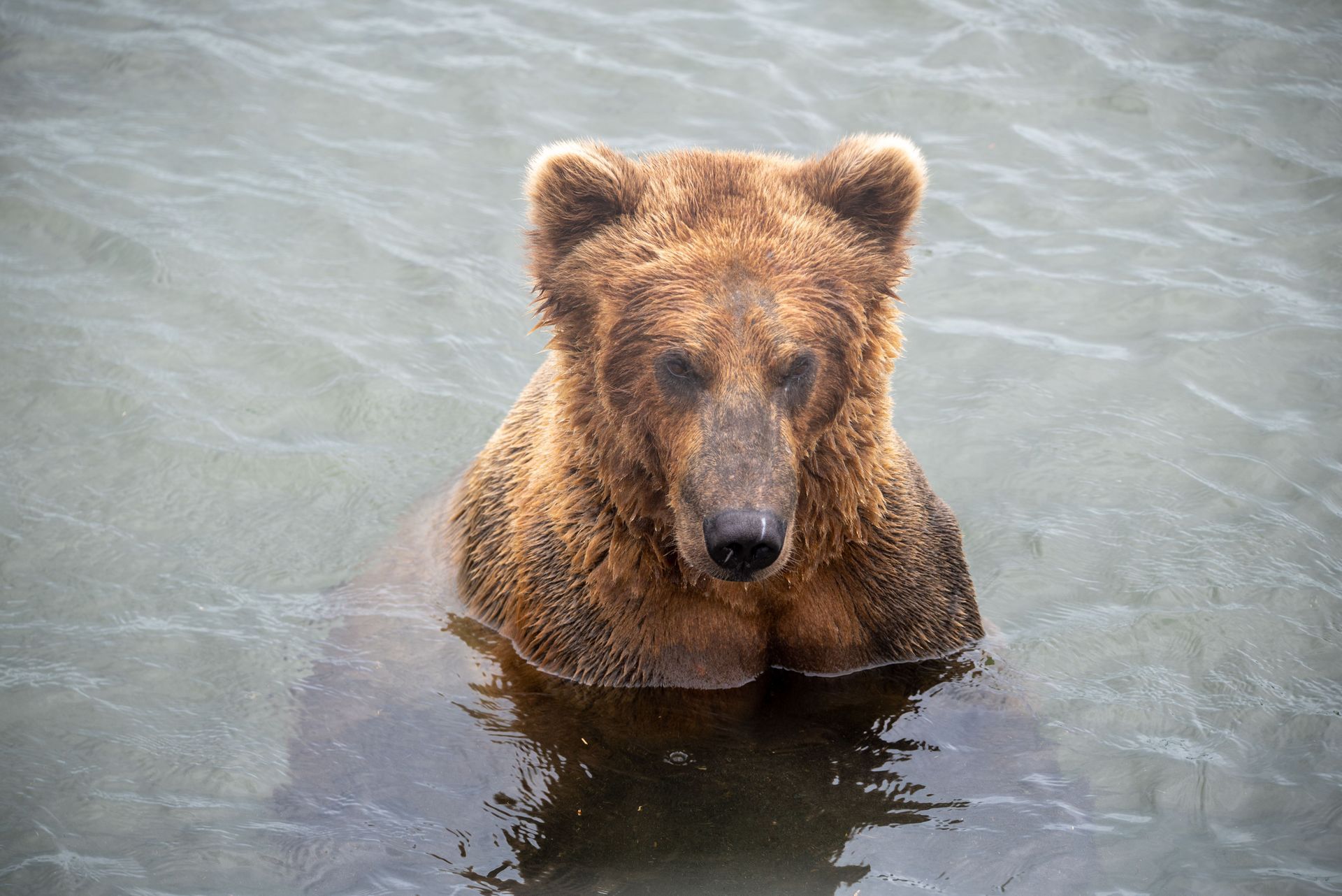
Fat Bear Week is officially over and the winner has been crowned but I think it needs to be celebrated a bit longer. Annnd, technically, it’s the bears that are Enjoying Outside but I feel like this qualifies because there are live webcams that make you feel like you’re out there with them. Fat Bear Week is an annual contest held in late September to early October organized by the National Park Service and Explore.org . It is essentially a celebration of bloat and glutton as brown bears ( Ursus arctos ) consume as much fresh, fatty salmon (how lucky are they?) as they can hold in preparation for sleeping their way through winter (again, how lucky are they?!). The party takes place in Katmai National Park and Preserve in Alaska and honors not only the iconic and recognizable brown bear but also the banquet of sockeye salmon hustling upstream to spawn. Sure the bears are definitely more charismatic, maybe even comedic, but the salmon are vital to the bears survival as well as also being a keystone species - their presence is necessary to maintain the health and function of the entire preserve ecosystem. The worldwide public is invited to tune into webcams and watch the bears pluck adult salmon as they leap toward their natal gravel beds and then cast votes for their favorite fat bear. The whole situation is essentially a popularity contest with unsuspecting contestants. After bulking up all summer and gorging on salmon in the fall, the bears often top 1,000 pounds. They need it though because they can lose up to one third of their body weight during their long winter sleep (one more time - how incredibly lucky are they?!). The bear’s fat reserves are what keeps them alive while sleeping away winter. The aim of Fat Bear Week is to promote bear conservation and to entice a global audience to have an interest in wildlife and nature through webcams. And it seems that the contest has gone viral. There are fan clubs and pages dedicated to the chubby bears and even a charity bracket event that benefits the Katmai Conservancy. It all started in 2014 when a park ranger stumbled across a couple of photos on Facebook; basically a before (prior to bulking-up) and after (following months of visiting the smorgasbord), comparison of the same bear. The rangers brainstormed a way to promote bear conservation and came up with Fat Bear Tuesday and the inaugural first fat bear contest. The full-fledged Fat Bear Week was rolled out (no pun intended) the following year and has ballooned (!) into the televised eating contest we now wait all year for. Over one billion people participated in this year's event from more than 100 countries. The ranger that started it all, Mike Fitz, developed a single elemintation tournament bracket so people could keep track of their favorites. Over the years the contest has had its share of reality show drama. In 2022, voter fraud, electoral fraud, election manipulation, election scan, vote rigging, election stealing, whatever you want to call it, transpired. It appears that “Holly” was in the lead but it was revealed that she received 9,000 votes in a dubiously short amount of time. Officials haven’t stated who was responsible for the rigging but after removing the false votes, Bear 747 ended up taking home the prize. Then in 2023, a cold and wet hiker who had been reported as missing was seen on a webcam. Viewers reported the sighting to rangers who subsequently rescued the grateful wayward individual. And finally, during the opening days of Fat Bear Week 2024… murder. Bear 469, aka “Patches”, was witnessed fatally attacking female bear 402, live on a webcam. Officials delayed the contest to host a press conference of sorts to respond to the public’s questions. Rangers stated that it was unusual for bears to prey on each other but added that the perpetrator was seen guarding the remains of another bear in 2012. To be allowed to compete in Fat Bear Week, all contestants must have been seen snagging sockeye salmon at the Brooks River during both the summer and fall seasons. To help ensure all eligible bears are included, webcams line a 1.5 mile section of the river. Qualifying bears are entered into the bracket with one of the two bears advancing to the next round based on votes. Livestream feeds, before and after photos and bear biographies all help viewers decide which bear they want to vote for. After a fierce week-long contest, Bear 89, also known as “Backpack” emerged victorious. The winner was announced on Fat Bear Tuesday, September 29, 2026. Known as a gentle giant (unless you’re a salmon I guess), he claimed over 100,000 votes in a landslide victory over runner up, “Bucky”. “Backpack” is estimated to weigh in at over 1,000 pounds. Although the competition for 2026 is over, keep an eye out for Fat Bear Week 2027. Explore the Katmai National Park and Preserve webpage and find webcams to watch them gorge themselves and to vote for your favorite tubby teddy .
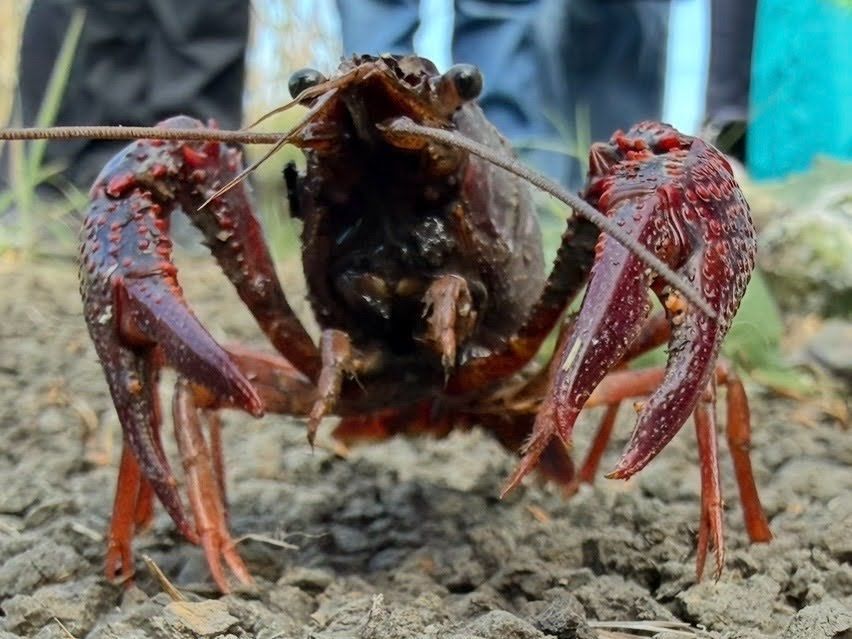
If you’ve spent time outdoors near California waterways, you’ve probably encountered this beady-eyed little menace. They’re perpetually irritable, defensive, argumentative and overly opinionated. They see your shadow and raise a claw to display their displeasure with your mere existence (which to me is an invitation to poke). Rather than retreat, they’ll blitz you with the determination of an NFL pass rusher; mandibles charged to full power and a permanent tragedy mask frown etched on their little exoskeletons. If their display of sheer power and might doesn’t dissuade you from picking them up they’ll try to alligator roll and gesture inappropriate things with their biggest pincer. If you listen closely you can almost hear them mumbling “why I outta” and other profanities through clenched mouthparts. As a group they are commonly called crayfish, crawdads, crawfish, freshwater lobsters and mudbugs depending on where you’re from or whatever words your mouth feels like saying. The most commonly observed species in our region are Swamp Crayfish, ( Procambarus clarkii ), Signal Crayfish ( Pacifastacus leniusculus ) and Virile Crayfish ( Faxonius virilus ). All three of these species have been introduced into our region and because of their inflated self-esteem and enthusiasm for eating leftovers, have become invasive (much like their personalities). Swamp Crayfish, sometimes called Louisiana Reds, are bright red (shocker, right?). They are usually found in warm, slow moving water with muddy bottoms like swampy areas and agricultural rice fields. They are native to the southern United States and are the species most often used for food in bisques, boils, étouffées and soups. Signal Crayfish are often brown or tan but coloration is highly variable depending on location. They often display a white or bright turquoise patch at the hinge of their claws, distinctive of this species. They prefer cooler water and are usually found in streams and rivers in the Sacramento-San Joaquin Delta. They are native to the Pacific Northwest and were introduced into California over a century ago. The Virile Crayfish is usually light brown to olive green with light colored knobs on their claws. They prefer permanent streams with flowing water and are common in the Sacramento River watershed. They are native to the central and eastern regions of North America. Historically, there were three native species of crayfish in California but due to invasive species introduction and habitat loss, only two are left at present. The Shasta Crayfish ( Pacifastachus fortis ) is described as gentle, non-territorial and even friendly, often found co-existing with several generations under the same rock. Sadly though, they’ve been on the federal endangered species list since 1988 primarily due to non-native species introduction and habitat loss. The Klamath Signal Crayfish ( Pacifastacus leniusculus klamathensis ) is actually, ironically, a subspecies of the invasive species found throughout the state. The Klamath Signal Crayfish is thought to be native to the Klamath River in Northern California and Southern Oregon but because of species introductions and intermingling, the extent of its historic native range is not known. The Sooty Crayfish ( Pacifastacus nigrescens ), was once plentiful in the creeks of the San Francisco Bay area but has not been observed since the late 1800’s causing biologists to consider them extinct. All crayfish are omnivorous with an eclectic palate. They can be helpful to their ecosystem by repurposing dead plants and animals and contributing to nutrient recycling. They help keep aquatic vegetation in check and break down organic sludge and clean biofilm off of surfaces. They are opportunistic hunters and will ambush aquatic insects, worms and other bottom dwelling creatures. They will eat fish eggs and even fry if they can catch them. And, on the flip side, it turns out that humans around the world aren’t the only species that gobble them up. Fish such as bass, catfish, perch and trout find them delectable as do birds such as egrets, herons and kingfishers. Otters, minks and raccoons along with frogs, salamanders, snakes and turtles also enjoy noshing on them when they can. They seem so disgruntled and irritable that if they knew they were contributing to ecosystem diversity, I think they’d stop doing it out of sheer spite. As disagreeable as they are, I still find them charming!
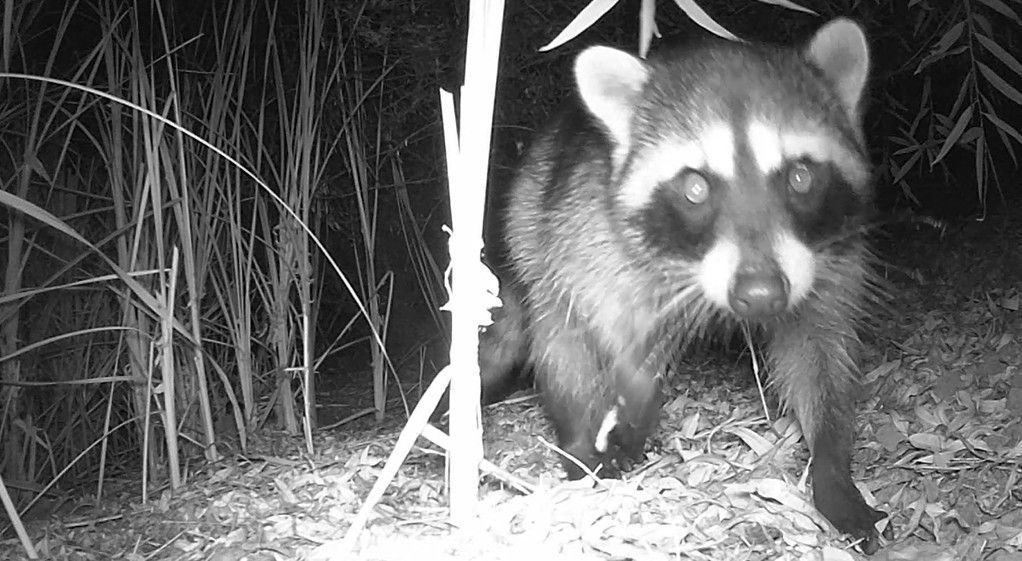
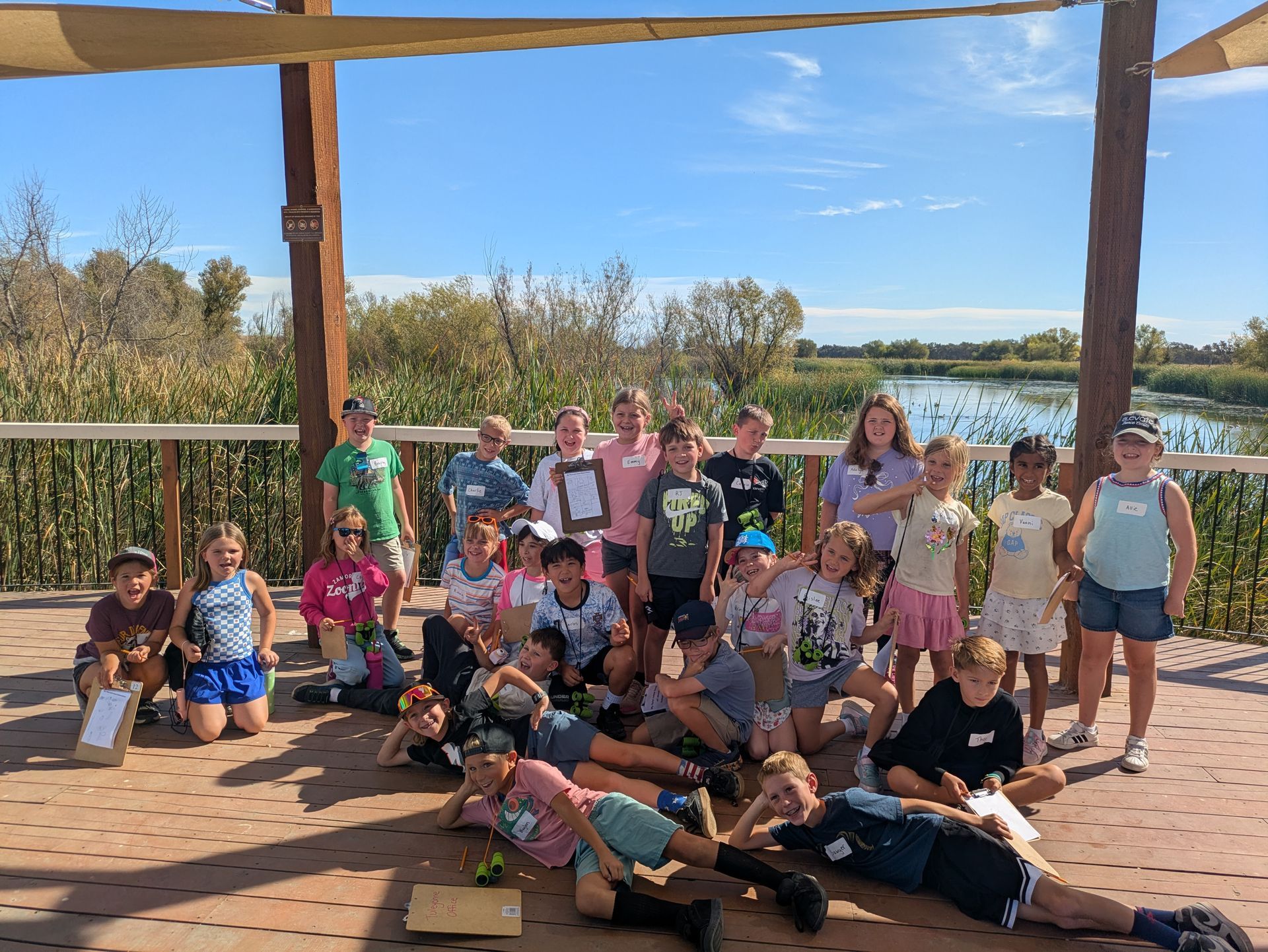
A raccoon investigates a game camera at Woodland Regional Park Preserve This month we have two new game camera videos for you, both from Woodland Regional Park Preserve. We captured footage of skunks, rabbits, opossums, racoons, and more! We also included footage of two classes of 3 rd graders from Zamora Elementary in Woodland, who helped retrieve the cameras during a field trip to the Preserve. Game cameras at Woodland Regional Park Preserve help us monitor wildlife at the Preserve and also provide a fun way for school groups to see the full range of animals that live at the Preserve, especially those that are nocturnal. You can view the new videos here and here . If you have any questions or comments about the videos, please reach out to Education Associate Geoff Benn at gbenn@tuleyome.org.