


Policy Corner: Federal Permitting Reform and the Future of Environmental Protections
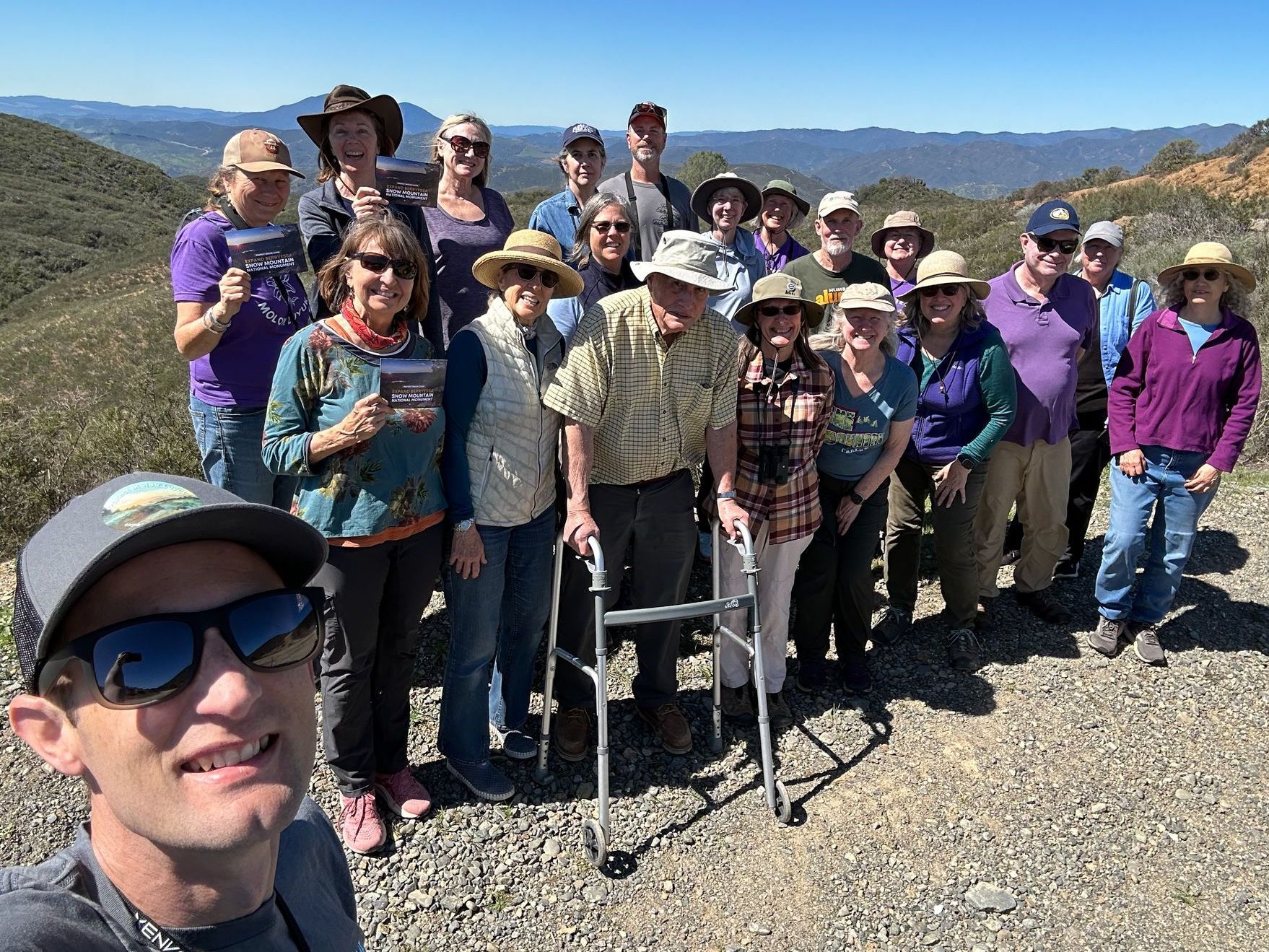
Tuleyome speaks up on the Bipartisan American Affordability and Jobs Act
Federal permitting may sound like a technical process, but it plays an important role in determining how energy, mining, water and infrastructure projects move forward – and how their potential impacts on public lands, wildlife, water resources, and communities are considered.
On September 30, 2026, a bipartisan group of U.S. Senators introduced the Bipartisan American Affordability and Jobs Act of 2026 (BAAJA), a sweeping proposal to change federal environmental review and permitting processes. Supporters say the legislation would reduce delays, improve project certainty, and accelerate energy and infrastructure development. However, the bill also raises significant questions about how proposed changes could affect environmental review, public participation, Tribal consultation, and the ability of communities to challenge federal decisions. Read the Senate’s announcement .
What is at stake?
At more than 400 pages, BAAJA covers a broad range of permitting issues. Among its provisions are changes to the National Environmental Policy Act (NEPA), the federal law that requires agencies to evaluate the environmental effects of many major federal actions before making decisions. The bill also addresses project approvals, judicial review, energy development, and other permitting requirements.
Efficient permitting can be an important public goal. But efficiency must also be measured by whether decisions are informed, transparent, and accountable. Environmental review helps federal agencies understand potential impacts before projects proceed. Public participation gives affected communities an opportunity to share local knowledge and raise concerns, while consultation with Tribal Nations is essential to recognizing Tribal sovereignty and protecting cultural resources.
For Tuleyome, these questions are particularly important. Our work in the Northern Inner Coast Range and Western Sacramento Valley is grounded in protecting the region’s natural and cultural heritage. Changes to federal permitting and environmental review can have consequences for public lands, wildlife habitat, clean water, and places of cultural significance. We believe reforms should improve agency processes without undermining meaningful environmental safeguards, tribal consultation, or public accountability.
Tuleyome is taking action
Tuleyome has been reviewing the proposed legislation and developing an organizational response outlining our concerns and the changes we believe are necessary.
Our opposition letter addresses several key areas, including:
- Environmental review and accountability: Maintaining meaningful review of projects with potentially significant environmental impacts and preserving opportunities for public participation.
- Tribal sovereignty and cultural resources: Protecting consultation processes and historic-preservation safeguards that help identify and address impacts to Tribal cultural sites and resources.
- Public lands and mining: Ensuring that changes to permitting and land-use rules do not sideline conservation priorities or diminish public oversight.
- Clean water and marine protection: Preserving safeguards under the Clean Water Act and protections for sensitive marine areas.
- Long-term project oversight: Ensuring that permitting changes do not unnecessarily limit the ability of agencies and communities to respond when projects threaten environmental or public interests.
By October 23, 2026, Tuleyome plans to send its opposition letter to our congressional representatives and U.S. senators, including a request that they address these concerns as the legislation moves through Congress. This outreach is part of our ongoing work to ensure that the perspective of conservation organizations and the communities they serve are represented in federal policy discussions.
How you can take action
Your voice matters. Contacting elected officials is one way to make sure your concerns are heard as Congress considers this legislation.
BAAJA is Senate Bill 5653 (S. 5653). It was introduced on September 30, 2026, and referred to the Senate Committee on Energy and Natural Resources. As the bill moves through the legislative process, stakeholders can contact their elected officials and ask them to carefully consider its potential impacts before taking further action.
Here are a few ways to get involved:
- Contact your two U.S. Senators. Whether you live in California or another state, you can reach your senators through their official websites or by calling their offices.
- Contact your U.S. representative. Let your representative know how changes to environmental review, clean water protections, public lands policy, and Tribal consultation could affect your community.
- Share your concerns with congressional staff. Phone calls, emails, and written messages help ensure that congressional offices hear directly from constituents and stakeholders.
- Ask for a clear position. Encourage your elected officials to explain how they intend to address the environmental, cultural, and public-accountability concerns raised by the bill.
California Congressional Contacts:
- Senator Alex Padilla – Contact | Washington, D.C.: (202) 224-3553
- Senator Adam Schiff – Contact | Washington, D.C.: (202) 224-3841
- Representative Jared Huffman – Contact | Washington, D.C.: (202) 225-5161
- Not sure who represents you? Use the House of Representatives’ Find Your Representative tool.
If you are contacting an elected official, consider including a short, direct message such as:
“I am concerned about the potential impacts of the Bipartisan American Affordability and Jobs Act of 2026 (S. 5653) on environmental review, clean water protections, tribal consultation, and public accountability. Please carefully review these provisions and protect meaningful environmental safeguards as the legislation moves through Congress. I urge you to address these concerns before supporting further action on the bill.”
Why continued engagement matters
As of October 22, 2026, BAAJA remains a legislative proposal, and its path through Congress is still unfolding. Tuleyome will continue monitoring developments and advocating for a permitting system that supports effective decision-making while maintaining strong environmental protections, respecting Tribal sovereignty, and preserving public accountability.
Protecting our region’s natural and cultural heritage requires engagement at every level of government. Through policy analysis, congressional outreach, and continued public education, Tuleyome will keep working to ensure that conservation remains part of the conservation when decisions are made about our shared lands and water.
RECENT ARTICLES