


Science Corner - Crayfish
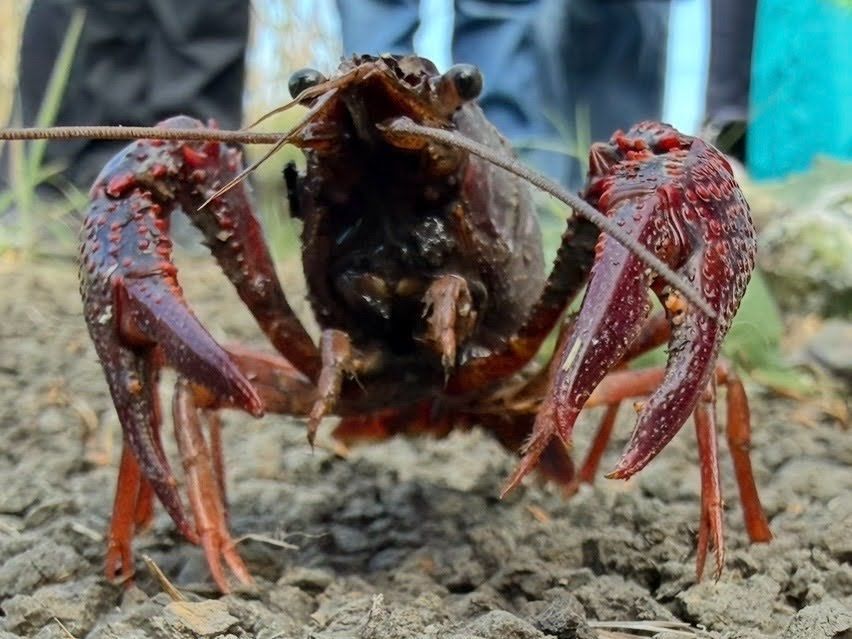
If you’ve spent time outdoors near California waterways, you’ve probably encountered this beady-eyed little menace. They’re perpetually irritable, defensive, argumentative and overly opinionated. They see your shadow and raise a claw to display their displeasure with your mere existence (which to me is an invitation to poke). Rather than retreat, they’ll blitz you with the determination of an NFL pass rusher; mandibles charged to full power and a permanent tragedy mask frown etched on their little exoskeletons. If their display of sheer power and might doesn’t dissuade you from picking them up they’ll try to alligator roll and gesture inappropriate things with their biggest pincer. If you listen closely you can almost hear them mumbling “why I outta” and other profanities through clenched mouthparts.
As a group they are commonly called crayfish, crawdads, crawfish, freshwater lobsters and mudbugs depending on where you’re from or whatever words your mouth feels like saying. The most commonly observed species in our region are Swamp Crayfish, (Procambarus clarkii), Signal Crayfish (Pacifastacus leniusculus) and Virile Crayfish (Faxonius virilus). All three of these species have been introduced into our region and because of their inflated self-esteem and enthusiasm for eating leftovers, have become invasive (much like their personalities). Swamp Crayfish, sometimes called Louisiana Reds, are bright red (shocker, right?). They are usually found in warm, slow moving water with muddy bottoms like swampy areas and agricultural rice fields. They are native to the southern United States and are the species most often used for food in bisques, boils, étouffées and soups. Signal Crayfish are often brown or tan but coloration is highly variable depending on location. They often display a white or bright turquoise patch at the hinge of their claws, distinctive of this species. They prefer cooler water and are usually found in streams and rivers in the Sacramento-San Joaquin Delta. They are native to the Pacific Northwest and were introduced into California over a century ago. The Virile Crayfish is usually light brown to olive green with light colored knobs on their claws. They prefer permanent streams with flowing water and are common in the Sacramento River watershed. They are native to the central and eastern regions of North America.
Historically, there were three native species of crayfish in California but due to invasive species introduction and habitat loss, only two are left at present. The Shasta Crayfish (Pacifastachus fortis) is described as gentle, non-territorial and even friendly, often found co-existing with several generations under the same rock. Sadly though, they’ve been on the federal endangered species list since 1988 primarily due to non-native species introduction and habitat loss. The Klamath Signal Crayfish (Pacifastacus leniusculus klamathensis) is actually, ironically, a subspecies of the invasive species found throughout the state. The Klamath Signal Crayfish is thought to be native to the Klamath River in Northern California and Southern Oregon but because of species introductions and intermingling, the extent of its historic native range is not known. The Sooty Crayfish (Pacifastacus nigrescens), was once plentiful in the creeks of the San Francisco Bay area but has not been observed since the late 1800’s causing biologists to consider them extinct.
All crayfish are omnivorous with an eclectic palate. They can be helpful to their ecosystem by repurposing dead plants and animals and contributing to nutrient recycling. They help keep aquatic vegetation in check and break down organic sludge and clean biofilm off of surfaces. They are opportunistic hunters and will ambush aquatic insects, worms and other bottom dwelling creatures. They will eat fish eggs and even fry if they can catch them. And, on the flip side, it turns out that humans around the world aren’t the only species that gobble them up. Fish such as bass, catfish, perch and trout find them delectable as do birds such as egrets, herons and kingfishers. Otters, minks and raccoons along with frogs, salamanders, snakes and turtles also enjoy noshing on them when they can.
They seem so disgruntled and irritable that if they knew they were contributing to ecosystem diversity, I think they’d stop doing it out of sheer spite.
As disagreeable as they are, I still find them charming!
RECENT ARTICLES