


Policy Corner: Protect our Wildest Areas
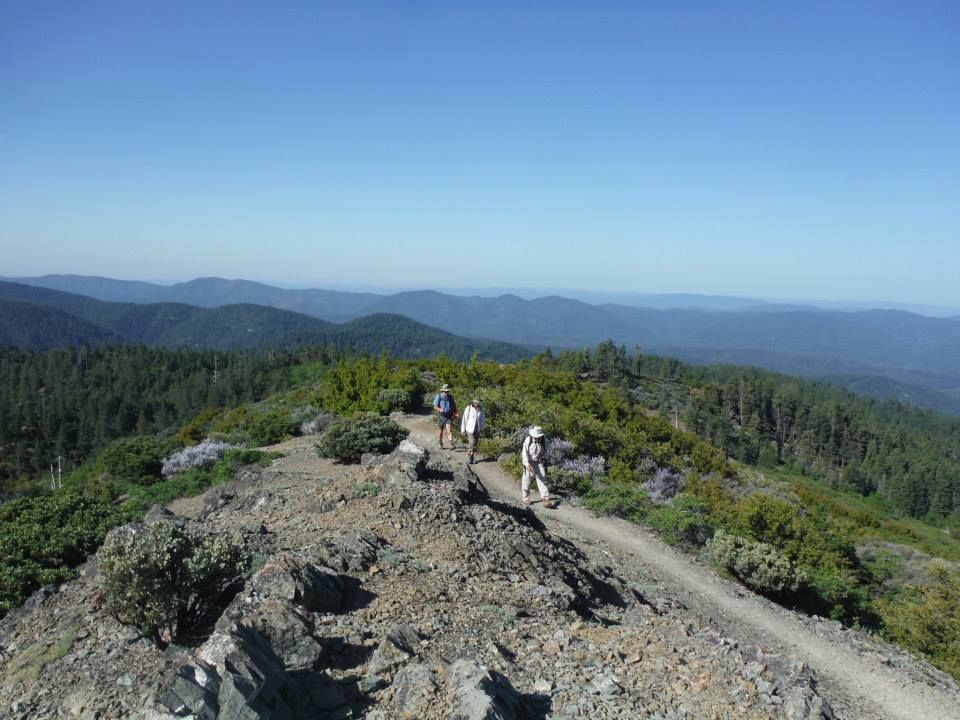
Our wildest areas are under threat.
In June, the Administration moved to weaken protections for our wildest public lands - those designated as wilderness, Wilderness Study Areas, Lands with Wilderness Characteristics, and recommended Wilderness. What do these areas represent?
Millions of acres of untrammeled backcountry.
The Department of the Interior, US Forest Service and National Park Service initiated the first step in unraveling these protections. They’ve called for a “review” of eight policies, opening the door to weaken protections and paving the way for short-term extractive industries, commercial development, and resource fragmentation at the expense of long-term conservation management of some of our wildest remaining public lands.
Nearly 200 million acres of wildlands across the west could be impacted by this review, including approximately 120 million acres of Wilderness Study Areas and wilderness quality lands, and 75 million acres of designated wilderness areas. This includes the nearly 94,000 acres in Cache Creek, Cedar Roughs and Snow Mountain Wilderness areas in Berryessa Snow Mountain Nation Monument right here in our own region.
These policies guide how federal agencies identify, manage, and steward designated Wilderness Areas, Wilderness Study Areas, and lands with wilderness characteristics. Together, they influence the management of millions of acres of federal public lands and translate statutory requirements into day-to-day management decisions.
Continuing to protect wilderness qualities is consistent with protecting recreation. In many cases, wilderness-quality land provides the best opportunities for backcountry recreation; a CA outdoor industry responsible for 545,448 direct jobs valued at $38.1 billion. The total value-added worth of CA outdoor recreation is $81.5 billion, 2.2% of our gross domestic product. The Department of the Interior’s actions present a false choice between stewarding wilderness lands and providing opportunities for recreation.
Let’s tell the Administration that we oppose these rollbacks and are committed to protecting our wild places.
Sign on to the
Wilderness Review- National Sign-on Letter opposing five different actions across the three agencies by August 12th.
Together, we can show this administration that we care about protecting these special places today and into the future.
Sandra Schubert
Executive Director
RECENT ARTICLES