PUBLIC LANDS PROTECTIONS ARE BEING ROLLED BACK - PIECE BY PIECE

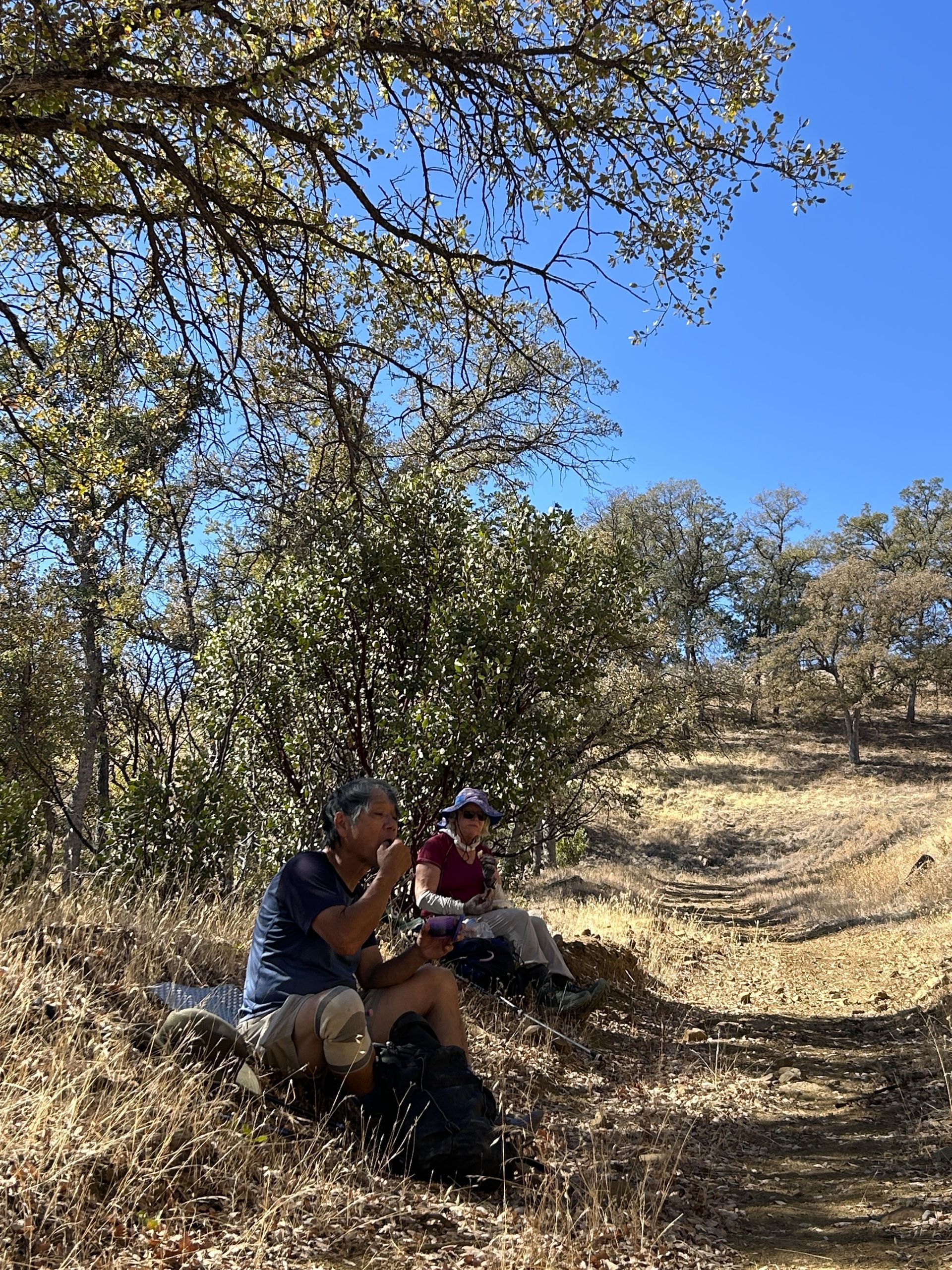
Photo by Jim Rose

WHO DECIDES WHAT GETS PROTECTED ON OUR PUBLIC LANDS?

America's public lands are home to irreplaceable wildlife habitat, clean-water sources, historic sites, and culturally significant landscapes. But protecting these places depends on more than drawing boundaries on a map. It also depends on the rules federal agencies use to decide which places deserve special protection.

After rescinding the Public Lands Rule and attempting to rollback protections on National Forests through the Roadless Rule and Travel Management Rule, the administration is preparing to rewrite the rule for protection critical environmental areas on our public lands.


Tuleyome is watching a new Bureau of Land Management (BLM) rulemaking that could reshape how important conservation areas are identified and protected.

What are Areas of Critical Environmental Concern?


Areas of Critical Environmental Concern (ACECs) are special BLM designations for public lands that need additional management attention to protect important natural, cultural, historical, scenic, or wildlife resources.


These protections matter throughout the West, including California's Northern Inner Coast Range and lands associated with Berryessa Snow Mountain National Monument.

Another Change to Federal Public-Land Policy


In May 2026, the administration finalized the rescission of the 2024 Conservation and Landscape Health Rule, commonly known as the Public Lands Rule. That rule had established a framework emphasizing the protection of intact landscapes, ecosystem restoration, and science-informed public-land management.


The BLM is now developing another rule, identified as RIN 1004-AF53, to revise its land-use planning procedures and clarify how ACECs are designated.


The administration describes the effort as deregulatory, with a goal of streamlining land-use planning and removing procedures it considers unnecessary.


But changes to planning rules can have consequences beyond paperwork. The criteria and procedures used to identify and manage ACECs help determine whether sensitive landscapes receive the attention and protection they need.


Until the proposed rule is published, its specific implications remain unclear. That is precisely why transparency, public participation, sound science, and meaningful Tribal consultation are essential.

WHY THIS MATTERS

Our public lands should not lose conservation safeguards through a series of administrative changes that receive little public attention.

For Tuleyome, this issue connects directly to our work protecting Berryessa Snow Mountain National Monument, wildlife habitat, watersheds, and culturally significant landscapes.


We cannot protect places if the rules governing their protection are weakened without careful scrutiny.


TAKE ACTION: SPEAK UP FOR OUR PUBLIC LANDS

Urge the Bureau of Land Management to maintain strong, science-based protections for Areas of Critical Environmental Concern and ensure meaningful public and Tribal participation in land-use planning.


We will continue monitoring this rulemaking and share opportunities to submit formal public comments when the proposed rule and official comment period are available.


Our public lands belong to all of us. Protecting them requires a transparent process, responsible stewardship, and a public willing to speak up.


Stand with Tuleyome. Help keep our public lands protected for generations to come.

RECENT NEWS

By Shai Demus • November 17, 2026
Proposed changes to public-land planning could limit community participation and weaken safeguards for Areas of Critical Environmental Concern across the West.
By Nate Lillge • November 10, 2026
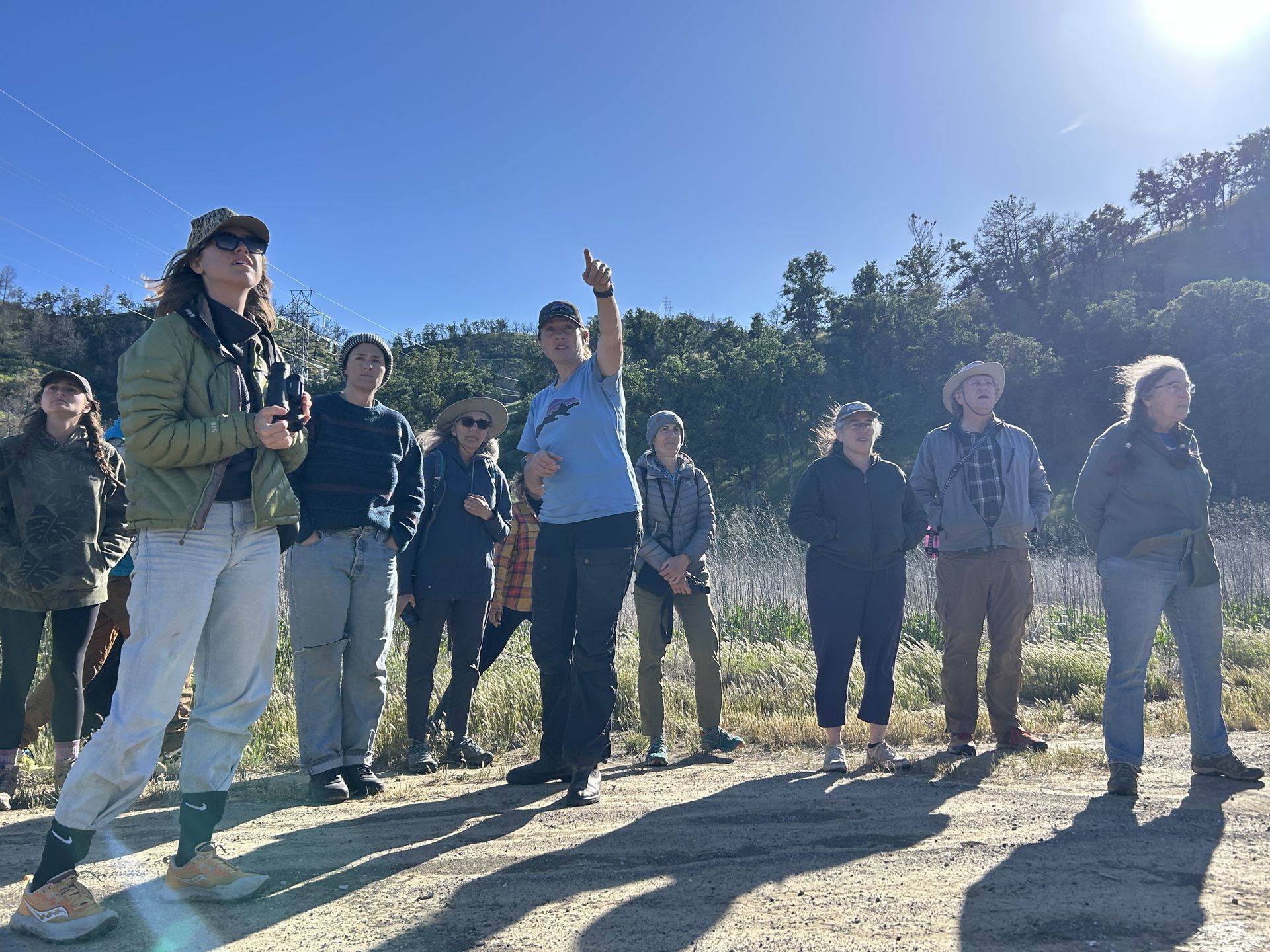
Tuleyome, the expert organization on the Berryessa Snow Mountain National Monument, is offering a multi-week Certified California Naturalist course in early 2027. Instruction focuses on the Berryessa Snow Mountain National Monument region while providing participants with skills and resources that are applicable anywhere to increase their knowledge, understanding, and enjoyment of the natural world. The Certified California Naturalist course is presented by Tuleyome in partnership with the University of California Agriculture and Natural Resources. This 8-week course is offered from January to March in 2027, with classes occurring on eight consecutive Fridays plus at least three field trips. Friday classes will be held in downtown Woodland with field trips to northern Inner Coast Range Mountains and western Sacramento Valley. No advanced degrees or previous naturalist experience is required. The UC California Naturalist Program introduces Californians to the wonders of our unique ecology and engages the public in study and stewardship of California’s natural communities. The program uses a science curriculum, hands-on learning, problem-solving, citizen science, and community service to instill a deep appreciation for the natural communities of the state and to inspire individuals to become stewards of their local resources. In addition to in-person instruction, students are required to attend field trips in the Berryessa Snow Mountain National Monument region. Field trips consist of low-impact walking trips and auto-tours, so they are suitable for all fitness levels. Impromptu walks are also often provided by the instructors as time permits to give participants even more experience in the field. More information is available on our website . Questions about the course should be directed to Nate Lillge at nlillge@tuleyome.org .
By Nate Lillge • November 10, 2026
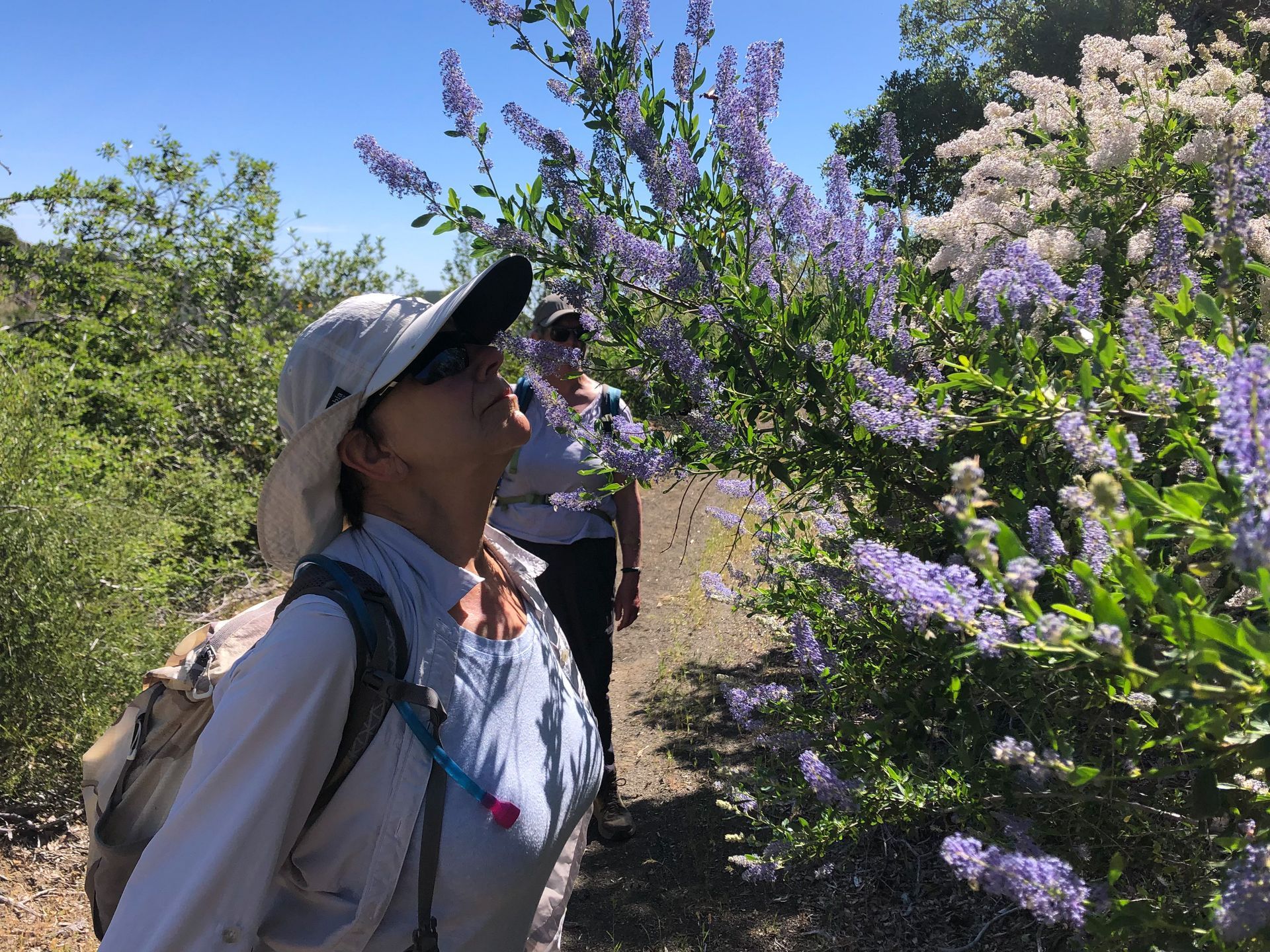
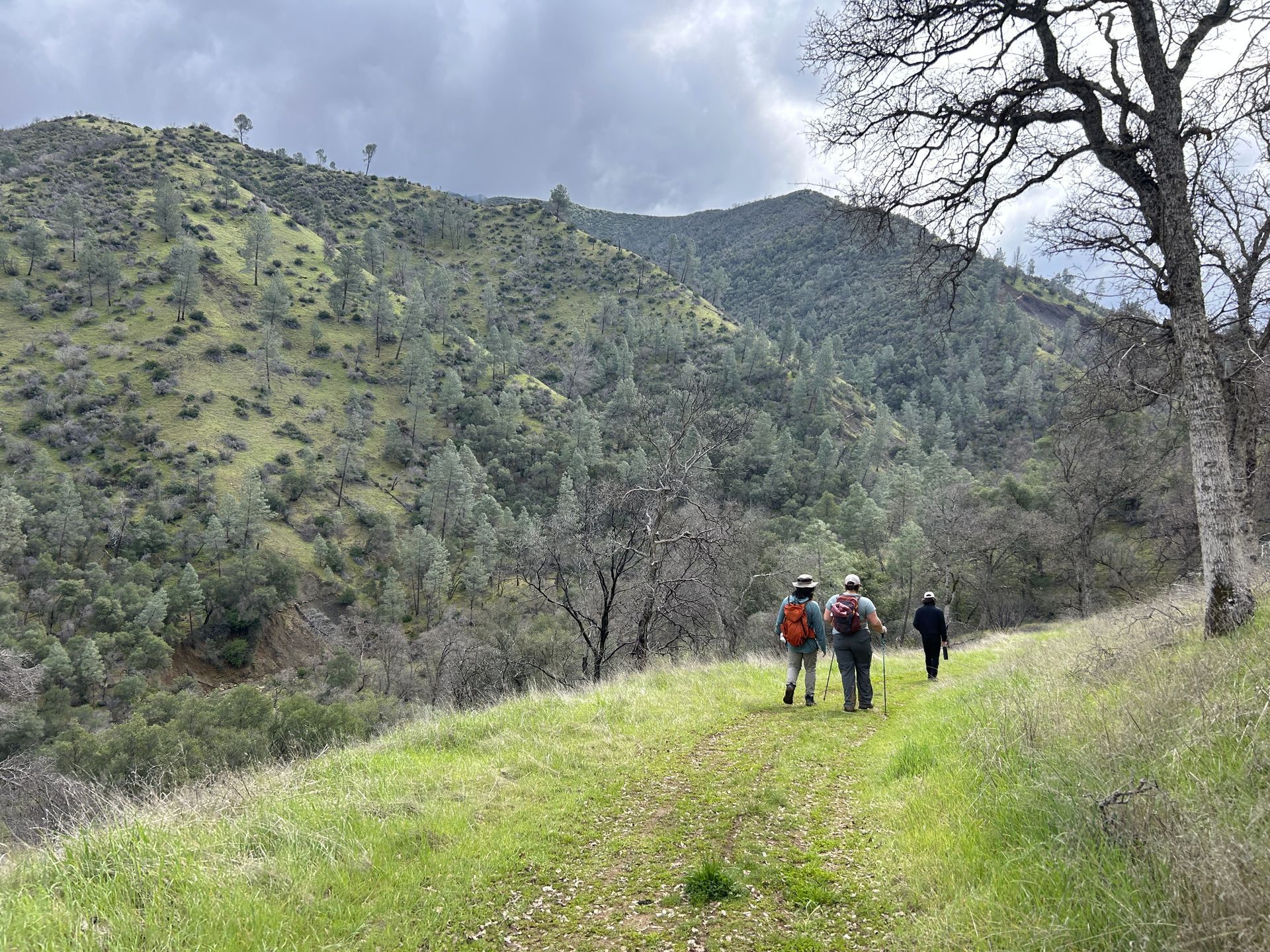
With the arrival of cooler temperatures, Tuleyome has been able to get people outside to enjoy the Berryessa Snow Mountain National Monument Region. Cowboy Camp, located a mile south of CA-20 on CA-16, is a great starting point for anyone exploring the BLM-managed lands between Cache Creek and Bear Creek. As it's name suggests, it is very popular with equestrians but is also a great place for bird watchers, hunters, hikers, mountain bikers, and astronomers. In October, Tuleyome's Program Director, Nate Lillge, led a small but adventurous group on a 9-mile hike through Craig Canyon and Thompson Canyon. Despite hearing reports and seeing signs of Tule Elk, the herd remained illusive. True to the areas name, however, many horses were seen on the trail and in Bear Creek. Pictures from the hike are available on Flickr . Tuleyome co-founder and member of Tuleyome's Advisory Council, Andrew Fulks led a crew at Valley Vista Regional Park to continue our trail work with Yolo County. We were excited to be joined by seasoned trail crew members and gratefully surprised that Bob Schneider, another co-founder and member of Tuleyome's Advisory Council, joined us! Check out the workday photos here . Be sure to check out our upcoming events ! We look forward to seeing you on the trail soon!