
Previous Campaigns

Tuleyome actively engages in regional, County, State, and Federal advocacy and policy campaigns to conserve, enhance, restore, and enjoy our public lands.
  • Slide title

    Write your caption here
    Button
  • Slide title

    Write your caption here
    Button
  • Slide title

    Write your caption here
    Button
  • Slide title

    Write your caption here
    Button

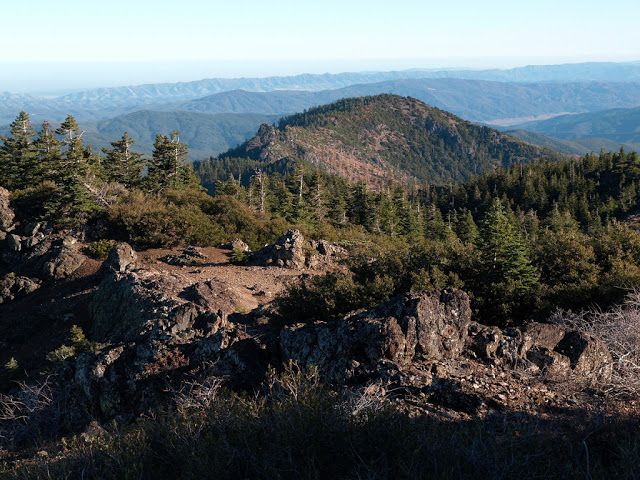
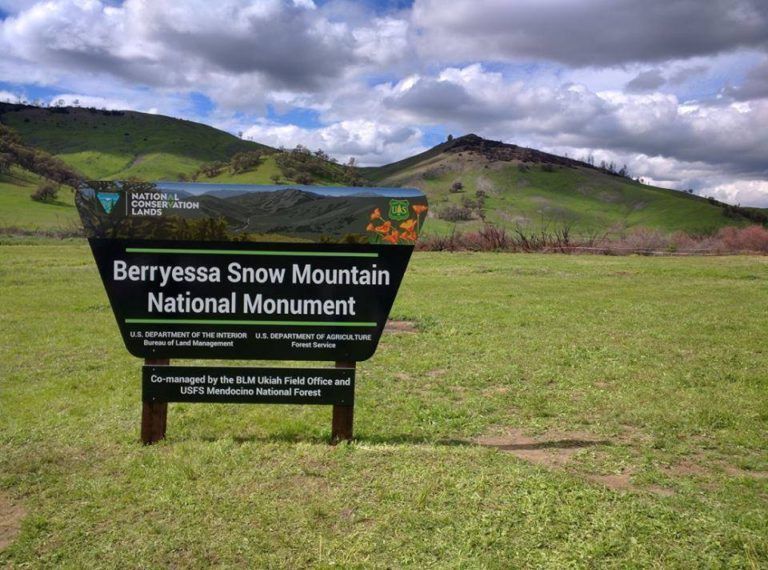
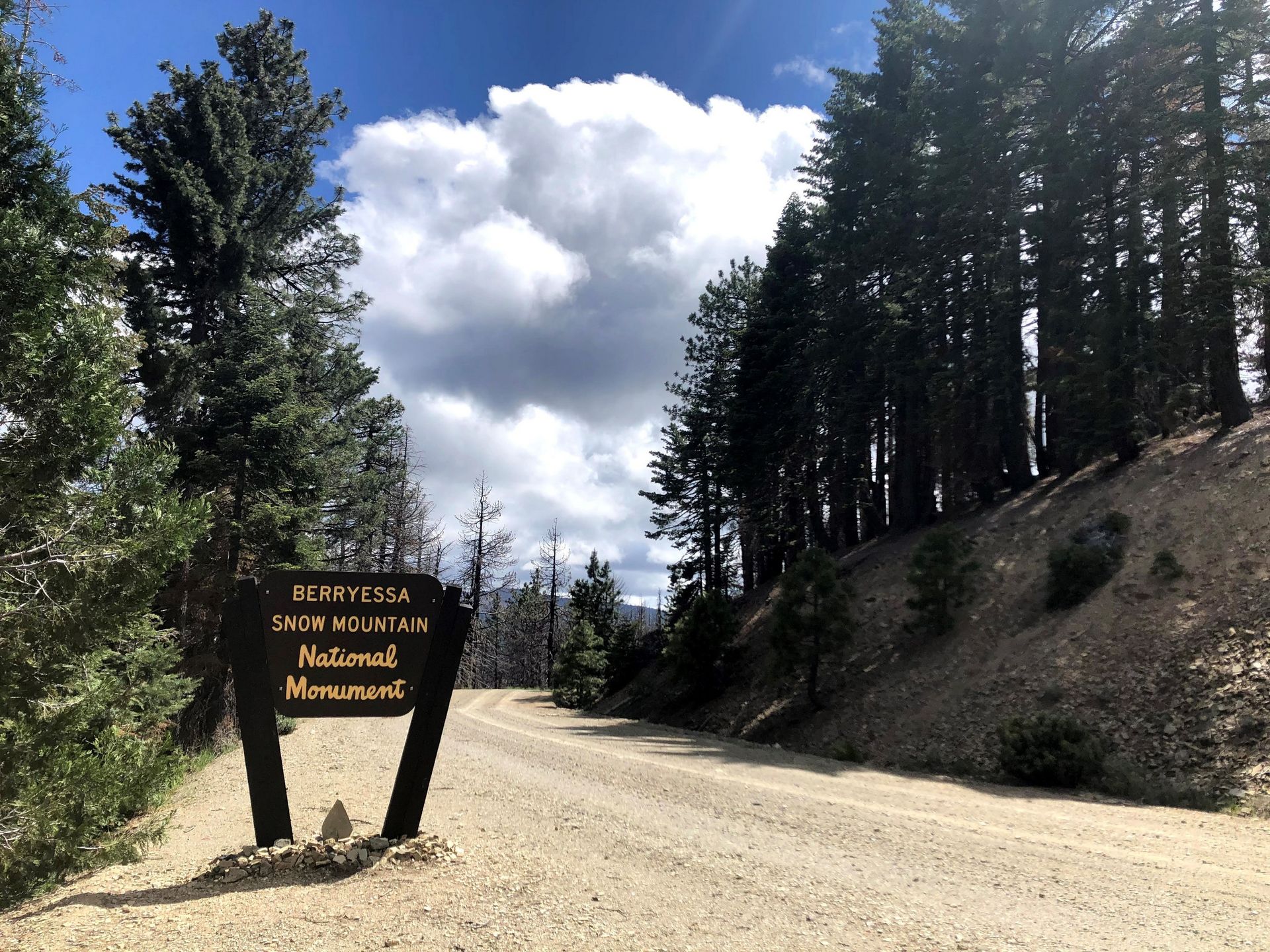
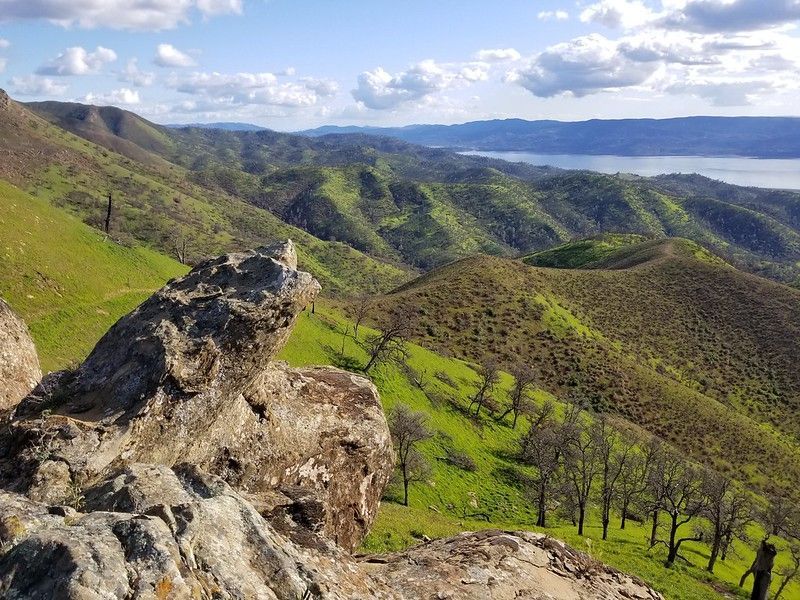
Berryessa Snow Mountain National Monument


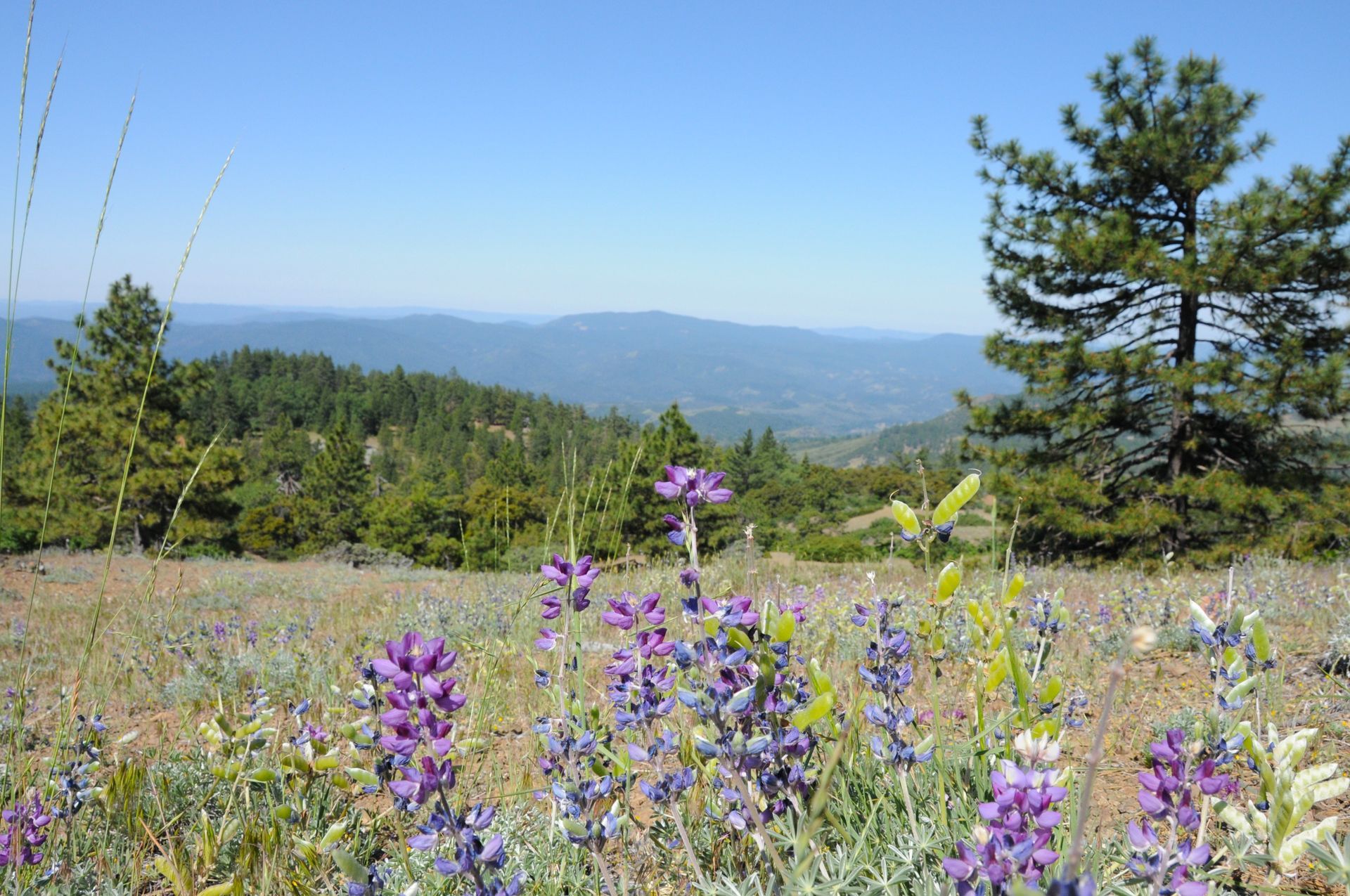
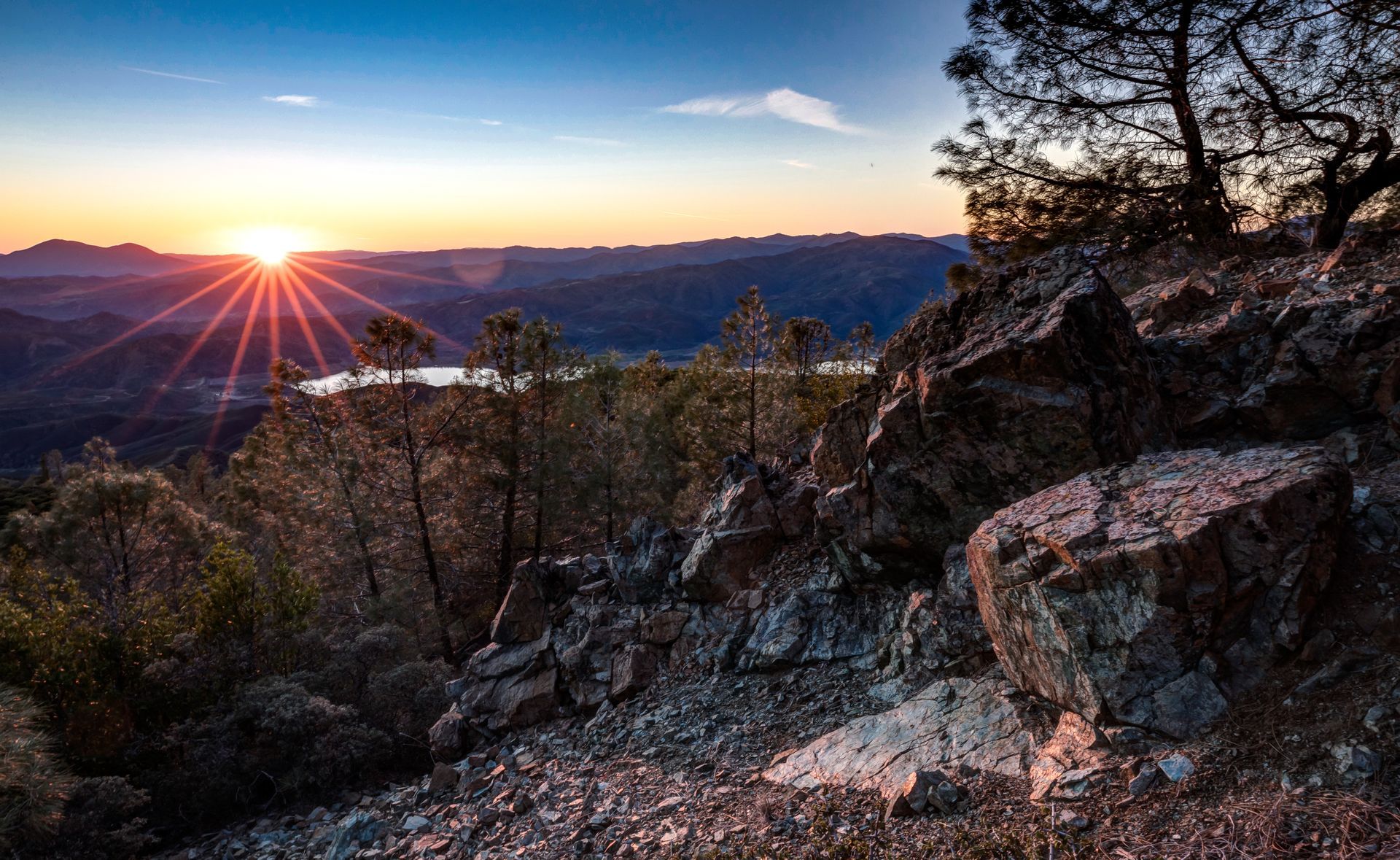
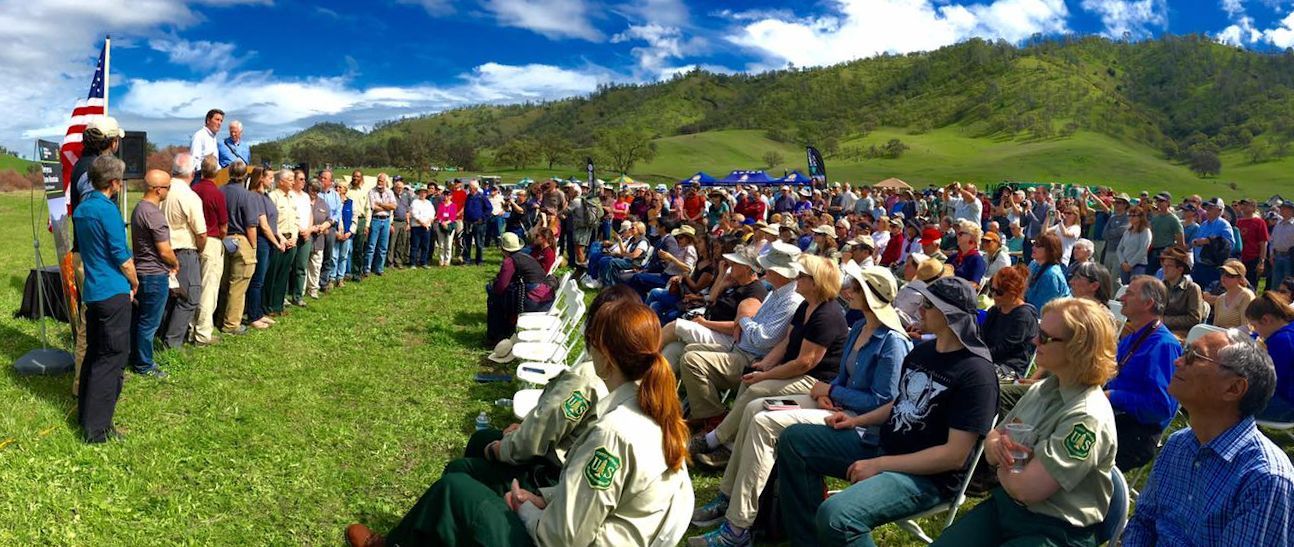
The Berryessa Snow Mountain area is the heart of northern California’s wild Inner Coast Range. Once covered by ocean waters, it is a landscape shaped by geologic forces of staggering power overlain with bountiful but fragile biodiversity.

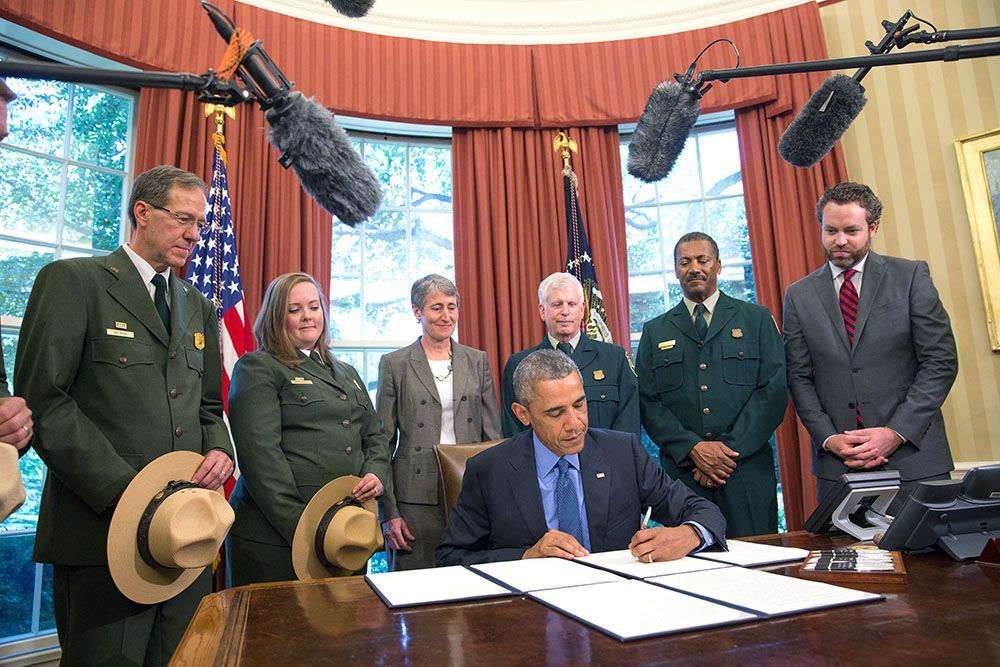
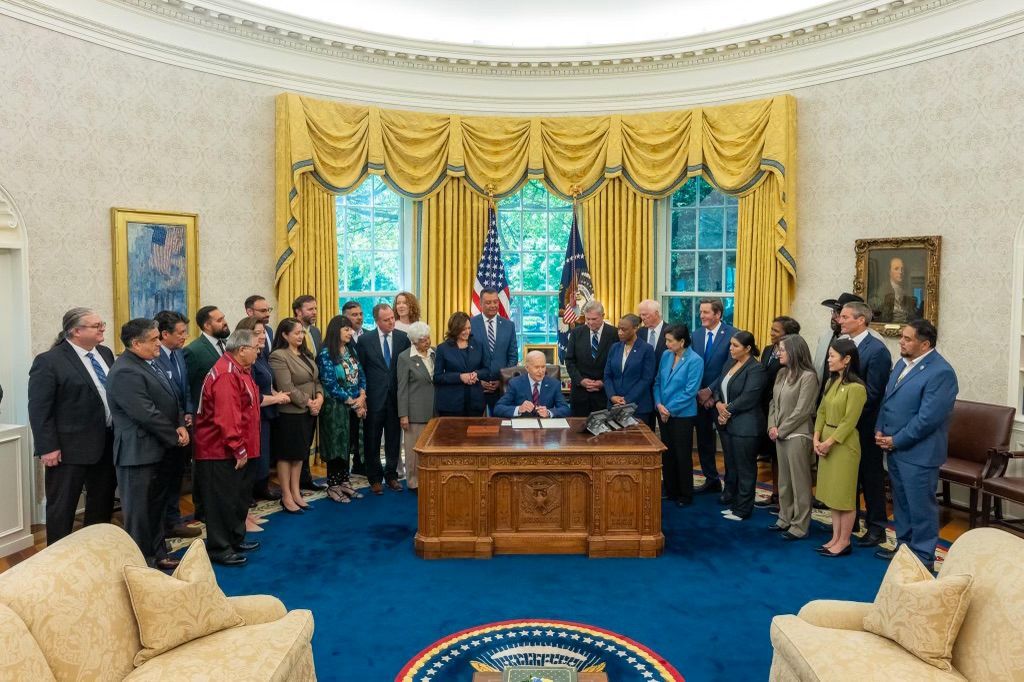
In 2015, President Barack Obama permanently protected 330,780 acres of federal public land in order to preserve its prehistoric and historic legacy and maintain its diverse array of scientific resources, ensuring that the prehistoric, historic, and scientific values remain for the benefit of all Americans. In 2024, President Joseph Biden expanded Berryessa Snow Mountain National Monument to include Molok Luyuk, a rugged ridge on the border of Colusa and Lake County. MORE

2025 CAMPAIGNS
  • Write your caption here
    Button
  • Slide title

    Write your caption here
    Button
  • Slide title

    Write your caption here
    Button
  • Slide title

    Write your caption here
    Button
  • Slide title

    Write your caption here
    Button

Policy Corner Articles on our News & Insights Blog

Stay up to date on our latest policy and advocacy activities.
August 7, 2026
Our wildest areas are under threat. In June, the Administration moved to weaken protections for our wildest public lands - those designated as wilderness, Wilderness Study Areas, Lands with Wilderness Characteristics, and recommended Wilderness. What do these areas represent? Millions of acres of untrammeled backcountry. The Department of the Interior, US Forest Service and National Park Service initiated the first step in unraveling these protections. They’ve called for a “review” of eight policies, opening the door to weaken protections and paving the way for short-term extractive industries, commercial development, and resource fragmentation at the expense of long-term conservation management of some of our wildest remaining public lands. Nearly 200 million acres of wildlands across the west could be impacted by this review, including approximately 120 million acres of Wilderness Study Areas and wilderness quality lands, and 75 million acres of designated wilderness areas. This includes the nearly 94,000 acres in Cache Creek, Cedar Roughs and Snow Mountain Wilderness areas in Berryessa Snow Mountain Nation Monument right here in our own region. These policies guide how federal agencies identify, manage, and steward designated Wilderness Areas, Wilderness Study Areas, and lands with wilderness characteristics. Together, they influence the management of millions of acres of federal public lands and translate statutory requirements into day-to-day management decisions. Continuing to protect wilderness qualities is consistent with protecting recreation. In many cases, wilderness-quality land provides the best opportunities for backcountry recreation; a CA outdoor industry responsible for 545,448 direct jobs valued at $38.1 billion. The total value-added worth of CA outdoor recreation is $81.5 billion, 2.2% of our gross domestic product. The Department of the Interior’s actions present a false choice between stewarding wilderness lands and providing opportunities for recreation. Let’s tell the Administration that we oppose these rollbacks and are committed to protecting our wild places. Sign on to the Wi lderness Review- National Sign-on Letter opposing five different actions across the three agencies by August 12th. Together, we can show this administration that we care about protecting these special places today and into the future. Sandra Schubert Executive Director
June 4, 2026
The current administration has released its proposed budget for the 2027 fiscal year. It proposes drastic cuts to our public land management agencies. The proposed budget would significantly reduce funding for the Bureau of Land Management (BLM), including a 34% cut to its total budget, a 27% staff cut, a 76% cut to the National Conservation Lands, which encompass 38 million acres of protected public lands, a 61% cut to recreation management (including campsites and trails), and total elimination of funding for cultural resources and wilderness management. It also would shift priorities towards extractive uses of public lands instead of conservation and clean energy. The administration’s budget would also drastically cut funding to the U.S. Forest Service (USFS), eliminate several offices, state and federal research stations (six in California) and transfer all fire fighting to BLM. Notably, in the face of all these cuts, the budget would increase funding for extractive industries; funding for timber sales would increase 450%. The reductions and policy changes would impair these agencies’ abilities to protect public lands, cultural resources, fresh water sources, and wildlife, while also impairing access to them and recreation on them. The President’s budget is now in Congress, where committees in both the Senate and the House of Representatives are amending and voting on the bills in preparation for full House and Senate votes. Now is the time to take action for our public lands and the environment by urging Congress to reject the proposed budget and maintain funding for BLM, USFS, and programs that protect and steward our public lands. Let your representatives know that you oppose the cuts to BLM and USFS and the rollbacks to our public land protections. And let them know why these special places are important to them. You can voice your opinions to Congress in multiple ways. You can: Call their offices Send a letter to Congress - we’ve pulled together a template for you to use, but don’t forget to let them know why public lands are important to you – download sample letter here Contact them on social media Meet with a representative in their District offices. Don’t know how to reach them, go to Congress.gov and find their phone numbers, addresses, district offices, websites and so much more if you’re interested. Now is the time to speak up for our public lands! Mary Lamborn (Communications Intern) and Sandra Schubert (Executive Director)
May 11, 2026
 At Tuleyome, we support Public Lands Advocacy, Conservation, Stewardship and Education. Our commitment to these three pillars of action means that we must encourage our supporters to vote and to invest the time to learn how candidates for public office view public lands and public access to those lands. Public lands are a central part of our national heritage and have been so since the very founding of the Republic. The first shots of the American Revolution were fired on public land (the Lexington Common) in 1775. The practice of managing lands for the common welfare is itself tens of thousands of years old and is central to the traditions of indigenous people across all of the Americas. The relatively novel notion of private ownership of land has become prevalent in our society, but that in no way should blind us to the centrality of public land to the health and welfare of all. And yet there are those who would turn every scrap of public land over to private ownership for exploitation if they could. Efforts to privatize public lands or give Federal lands to states, where political pressure to privatize is stronger, have taken on a new urgency. They represent a significant threat to the public’s right to enjoy public lands. These efforts represent an existential threat to nature, wildlife and the land itself, as exploitation of the national legacy for private gain becomes the dominant ideology of certain elements in our society. Fortunately, as citizens, we have the opportunity to educate ourselves about who supports public lands and the public’s right to benefit from public lands. If you want to be a public lands voter, here are the three questions you need to ask everyone who is asking you for your vote: Do you support keeping public lands in federal public ownership, and will you oppose efforts to transfer them to state or private control? What specific actions will you take to improve public access for hunting, fishing, and outdoor recreation? What is your plan to ensure that public lands are managed for a balance of conservation, restoration, recreation and responsible energy development? Public lands, which include our national forests, lands managed by the Bureau of Land Management and Bureau of Reclamation, as well as the national park system, are managed for all Americans. Proposals to sell or transfer these reduce public access and jeopardize wildlife habitat. Ask for a clear commitment to keeping land access public rather than transferring it to state-level management. Ask what your representatives will do to eliminate private land bottlenecks. Ask for concrete plans to improve trails, access points, and habitat connectivity. Public lands are at the center of the climate crisis debate and many voters prefer conservation and renewable energy over increased oil and gas drilling. We support a balanced approach that prioritizes habitat protection and sustainable use, rather than maximizing extraction. This is the kind of long-term legacy that we owe to the people whose land we appropriated. It’s a legacy we owe to the generations of Americans before us who fought to establish the rule of law and the values of republican government. Public lands are the embodiment of the notion that we are a nation of equal citizens, indivisible, and not servants to the economic interests that extract private profit from public resources while socializing private losses on public accounts. If you want to be a public lands voter, take the time to educate yourself by visiting https://www.tuleyome.org/ and then ask those who want your vote the hard questions about where they stand on public lands. Then, Vote! Register to Vote here: https://registertovote.ca.gov/ The last day to register to vote for the June 2, 2026, Primary Election is May 18, 2026. Find your district and voters guide here: https://www.sos.ca.gov/elections Voting by mail in California is safe and secure and really easy to do. You can track the status of your ballot here: https://california.ballottrax.net/voter/ Craig Perrin Tuleyome Volunteer Board Member

PRIOR CAMPAIGNS